 |
| Place of Origin: | China |
| Brand Name: | Golden Grain |
| Certification: | ISO9001, ISO22000, HALAL, KOSHER, COA, SDS |
| Model Number: | GLMAU-097 |
| Minimum Order Quantity: | 100kg |
|---|---|
| Price: | USD1.39/KG FOB QINGDAO ‑6.94 USD/KG FOB QINGDAO |
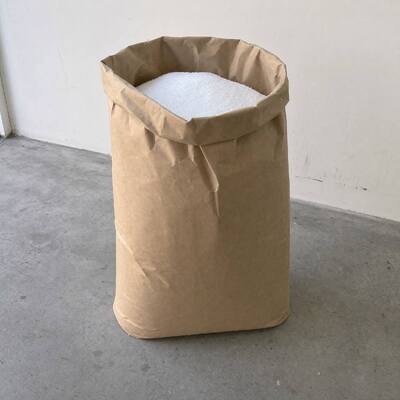
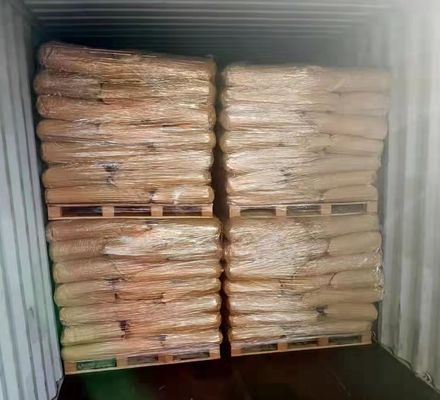
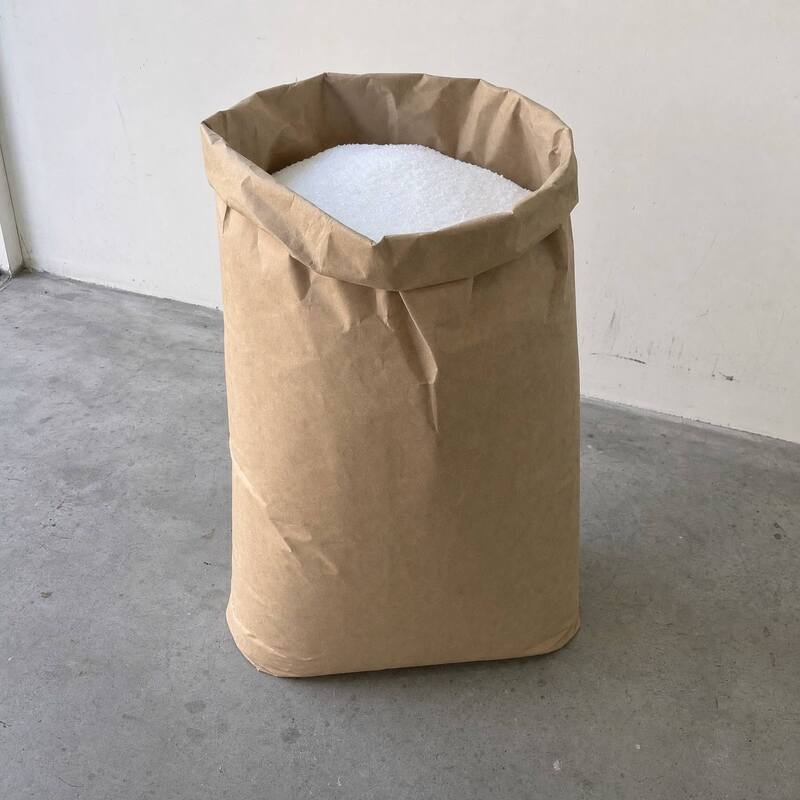
| Packaging Details: | 25kg/bag with kraft and PE INNER |
| Delivery Time: | 7 - 10 working days |
| Payment Terms: | L/C, T/T, D/P, D/A |
| Supply Ability: | 1000MT per month |
| Product Name: | Maltitol Powder (Crystalline Maltitol), E965 | Synonyms / Other Names: | D-Maltitol, Hydrogenated Maltose, Maltitol Crystal, Maltitol Powder E965, INS 965, Sugar Alcohol, Polyol Sweetener |
|---|---|---|---|
| Grade: | Food Grade / FCC, E965 | CAS No. / E-Number: | 585-88-6 / E965 (INS 965) |
| Molecular Formula / Weight: | C12H24O11 / 344.31 | HS Code: | 2940.00.90 |
| Appearance: | White Crystalline Powder, Odourless, Free-flowing, Non-caking | Assay / Purity: | 99.0% - 101.0% On Dry Basis (typical 99.3%, HPLC) |
| Particle Size / Mesh: | 30-80 Mesh Standard; 60-200 Mesh Fine Cut On Request | Moisture / Loss On Drying: | 0.5% Max (typical 0.16%, Karl Fischer) |
| Reducing Sugars: | 0.10% Max (typical 0.03%) | Residue On Ignition: | 0.10% Max |
| Specific Rotation: | +105 To +115 Degree | Melting Range: | 148 - 151 C |
| Heavy Metals: | 10 Mg/kg Max As Pb; Lead 0.5, Arsenic 0.5, Nickel 0.5 Mg/kg Max Each | Microbiological: | Total Plate Count 1000 Cfu/g Max; Yeast And Mould 100 Cfu/g Max; E. Coli Absent; Salmonella Absent |
| Sweetness: | About 90% Of Sucrose At Equal Weight | Energy: | 2.1 Kcal/g |
| Cooling Effect: | Low | Solubility: | Freely Soluble In Water; Clear Colourless Solution |
| Function: | Bulk Sweetener, Sugar Replacement, Humectant, Anti-graining Agent, Texture Modifier | Application / End Use: | Bubble Tea, Milk Tea, Coffee Creamer And Non-dairy Creamer, Instant Drink Mixes And 3-in-1 Sachets, Fruit Tea, Smoothies And Frozen Drinks, Sugar-free Candy And Chewing Gum, Chocolate And Compound Coating, Bakery Fillings, Cereal And Protein Bars |
| Application Industry: | Bubble Tea Chain, Coffee Creamer Manufacturer, Beverage, Confectionery, Bakery, Nutraceutical | Formulation Positioning: | Sugar-free, Reduced-sugar, Low Glycemic, Keto-friendly, Diabetic-friendly, Non-cariogenic And Tooth-friendly Formulations |
| Dietary / Allergen: | Non-GMO; Gluten-free; No Major Allergens Intentionally Added; Vegan-compatible | Process Compatibility: | Cold And Warm Dissolution, Syrup Cooking, Dry Blending, Sachet And Stick Pack Filling, Spray Drying Of Creamer Powder, Panning |
| Heat Stability: | Non-reducing; Does Not Brown During Pasteurisation, Hot Fill Or Spray Drying | Hygroscopicity: | Low; Free-flowing In Normal Shop Humidity; Reseal Opened Bags |
| Packaging: | 25 Kg Kraft Paper Bag With PE Inner Liner, Unprinted; Neutral Print Or Buyer-branded Bags For Bulk Orders | Shelf Life And Storage: | 24 Months Unopened; Cool, Dry, Well Ventilated; Keep Pallets Off Damp Floors |
| Documentation: | Batch COA, Specification Sheet, MSDS, Halal And Kosher Certificates | Port Of Loading: | Qingdao, China |
In one line: a 99% crystalline maltitol that dissolves clear in cold tea, stays free-flowing in a humid shop, and lands at about 90% of sucrose sweetness — built for bubble tea, milk tea and coffee creamer lines that cannot afford haze, caking or a hollow sweetness curve.
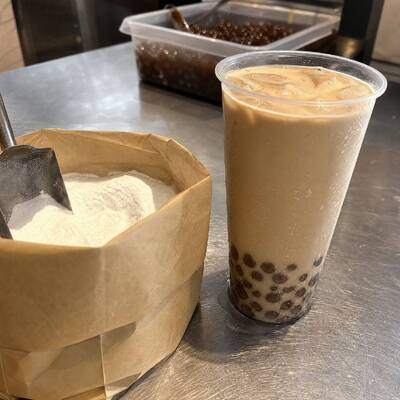
Bubble tea and milk tea are decided in the cup before they are tasted. A clear fruit tea shows every particle of undissolved sweetener as haze. A powder mix left open on the counter in a tropical shop picks up moisture and sets into lumps that will not scoop. And a sugar replacement that carries only half the sweetness of sucrose forces the formula into a blend, which moves the taste away from the reference cup the customer already knows.
Maltitol Powder 99% is a crystalline sugar alcohol — D-Maltitol, E965, CAS 585-88-6 — with an assay of 99% and a low insoluble content, so a drink stays bright instead of throwing sediment over shelf life. Its sweetness sits at roughly 90% of sucrose at equal weight, close enough to replace sugar almost one for one: 1.0 kg of sucrose is matched by about 1.1 kg of maltitol. That ratio matters in a tea shop, because it keeps the recipe card simple and the cost per cup predictable.
The crystal is non-hygroscopic and free-flowing. In a shop where the lid stays open through a shift, it does not turn into a block, and it doses evenly from a scoop or an automatic powder dispenser. It is also non-reducing, so it does not take part in browning during pasteurisation or spray drying — a creamer powder or an instant sachet keeps its intended colour, and a hot-filled tea does not darken.
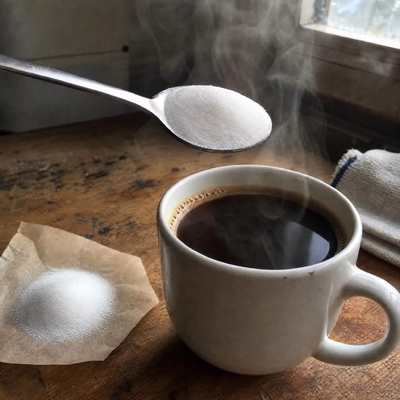
Because the cooling effect is low, a milk tea sweetened with maltitol does not finish with the menthol-like bite that a heavy polyol load can leave. The taste stays close to sugar: sweet up front, clean on the finish, no metallic tail.
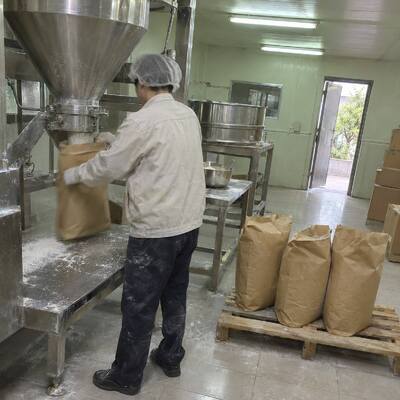
Supplied in 25 kg kraft paper bags with PE inner liner from a plant operating under ISO 9001, ISO 22000, Halal and Kosher systems, with a batch-specific Certificate of Analysis issued for every lot.

Product identity
| Item | Detail |
| Commodity name | Maltitol Powder (Crystalline Maltitol) |
| Chemical name | 4-O-alpha-D-glucopyranosyl-D-glucitol (D-Maltitol) |
| Synonyms | D-Maltitol, Hydrogenated Maltose, Maltitol Crystal |
| CAS No. / E number | 585-88-6 / E965 (INS 965) |
| Molecular formula | C12H24O11 |
| Molecular weight | 344.31 |
| H.S. Code | 2940.00.90 |
| Grade | Food Grade / FCC |
| Appearance | White crystalline powder, odourless, free-flowing |
| Shelf life | 24 months, unopened |
Quality parameters
| Parameter | Specification | Typical |
| Assay (D-maltitol, dry basis) | 99.0% – 101.0% | 99.3% (HPLC) |
| Moisture | ≤ 0.5% | 0.16% (Karl Fischer) |
| Reducing sugars | ≤ 0.10% | 0.03% |
| Residue on ignition | ≤ 0.10% | 0.02% |
| Specific rotation | +105° to +115° | Conforms |
| Melting range | 148 – 151 °C | Conforms |
| Heavy metals (as Pb) | ≤ 10 mg/kg | < 5 mg/kg |
| Lead / Arsenic / Nickel | ≤ 0.5 mg/kg each | Conforms |
| Total plate count | ≤ 1000 cfu/g | < 500 cfu/g |
| Yeast and mould | ≤ 100 cfu/g | < 50 cfu/g |
| E. coli | Absent | Absent |
| Salmonella | Absent | Absent |
Functional values
| Item | Value |
| Sweetness | About 90% of sucrose at equal weight |
| Energy | 2.1 kcal/g |
| Cariogenicity | Non-cariogenic |
| Hygroscopicity | Low — free-flowing in normal shop humidity |
| Heat stability | Stable through pasteurisation and hot fill; non-reducing, does not brown |
Particle size
| Cut | Mesh | Best for |
| Standard | 30 – 80 mesh | General powder blending, creamer and premix bases |
| Fine | 60 – 200 mesh | Instant sachets, cold-water drink mixes, fast dissolution |
Other cuts available on request. The Certificate of Analysis issued for each shipment is the governing document.
Representative results from a released lot. A batch-specific COA is issued with every shipment.
| Test item | Typical result | Method |
| Description | White crystalline powder, free-flowing, no visible impurities | Visual |
| Assay (D-maltitol, dry basis) | 99.4% | HPLC |
| Moisture | 0.13% | Karl Fischer |
| Reducing sugars | 0.03% | Titrimetric |
| Residue on ignition | 0.02% | Gravimetric |
| pH (50% solution) | 6.2 | pH meter |
| Heavy metals (as Pb) | < 5 mg/kg | Colorimetric |
| Arsenic | < 1 mg/kg | AAS |
| Total plate count | < 500 cfu/g | Plate count |
| Yeast and mould | < 50 cfu/g | Plate count |
| E. coli | Absent | Plate count |
| Conclusion | Conforms to specification | — |
Bubble tea and milk tea
Liquid base and syrup. Maltitol dissolves directly into the tea or the syrup cook with moderate agitation and no special heating step. At 99% assay the insoluble load is very low, so a clear fruit tea or a light oolong stays bright in the cup and in the sealed bottle — the two places where a haze or a ring of sediment is most visible to the customer.
Powdered milk tea and instant sachets. The crystal blends evenly with creamer, tea powder, flavour and stabiliser, and it does not cake inside the sachet. A fine 60 – 200 mesh cut disperses in cold water with a few turns of a spoon, which is what a takeaway counter actually does.
Recipe conversion. Sweetness is about 90% of sucrose, so 1.0 kg of sucrose is matched by roughly 1.1 kg of maltitol. Most shops start from the existing recipe card, swap the sugar weight for the converted figure, then adjust ±5% on the first trial batch.
In the shop. Low hygroscopicity means the open bag does not set into lumps through a humid shift; the powder keeps moving through a scoop or a dispenser, so cup-to-cup sweetness stays consistent.
Coffee creamer and non-dairy creamer
In a creamer powder, maltitol carries sweetness and solids in the same particle. Being non-reducing, it does not enter the Maillard reaction during spray drying or during the hot drink it is added to, so the creamer keeps its target colour instead of darkening through the run. Its low hygroscopicity protects the powder against caking in the tin and in single-serve sticks, and it keeps the creamer free-flowing long enough for even dosing.
Instant drink mixes and 3-in-1 formats
For sachets that combine creamer, tea or coffee powder and sweetener in one stick, maltitol supplies bulk and sweetness in a single free-flowing component. It does not draw moisture from the creamer fraction, so the blend stays loose in the sachet and empties cleanly into the cup.
Fruit tea, smoothies and frozen drinks
The clean sweetness finishes without a lingering aftertaste, which matters in a fruit-forward drink where the flavour has to read first. Maltitol also contributes body and freezing-point control in blended and frozen drinks, so a sugar-reduced slush keeps a spoonable texture instead of setting hard.
Also used in
Sugar-free candy and chewing gum, chocolate and compound coatings, bakery fillings, cereal bars, tablet excipients and oral care — the same grade runs across these lines, so a customer buying for a tea concept can consolidate sweetener supply.
Behaviour at each process step
| Process stage | What the powder does | Why this grade fits |
| Cold or warm dissolution | Dissolves under normal agitation, minimal insoluble matter | 99% assay, fine cut available |
| Syrup cook | Non-reducing, no browning, stable sweetness | Holds colour and sweetness through heat |
| Dry blending | Free-flowing, blends evenly with creamer and tea powder | Low hygroscopicity, narrow particle distribution |
| Sachet filling | Does not cake in the stick | Low moisture pick-up |
| Sealed cup shelf life | Stays in solution, no sediment ring | High purity, low insoluble content |
Every lot is released against a full panel: assay by HPLC, moisture by Karl Fischer, reducing sugars, residue on ignition, specific rotation, melting range, heavy metals, lead, arsenic, nickel, and a microbiological screen covering total plate count, yeast and mould, E. coli and Salmonella. Production runs under ISO 9001 and ISO 22000 systems with Halal and Kosher certification.
For beverage customers the release also includes a solution check: a sample is dissolved and compared against water for haze and colour, because clarity in the cup is a specification, not an impression.
Each shipment travels with a batch-specific Certificate of Analysis, a specification sheet and an MSDS, so your QA team can check the delivered lot against agreed limits before it enters the blend.
Standard packing
Options
Shipping
Documents
Store the bags closed in a cool, dry, well-ventilated place, away from direct sunlight and away from strong odours. Keep the pallet off a damp floor and away from areas that are washed down — a tea shop or a creamer plant is humid by nature, and a part-used bag should be resealed and returned to the pallet rather than left beside the mixing station.
Keep the powder away from flavour concentrates and cleaning agents, which it will absorb. Under recommended conditions in unopened original packing the product holds specification for 24 months. Rotate stock first in, first out, and reseal opened bags tightly after each use.