 |
| Place of Origin: | China |
| Brand Name: | Golden Grain |
| Certification: | ISO9001, ISO22000, HALAL, KOSHER, COA, SDS |
| Model Number: | GLMK-0978 |
| Minimum Order Quantity: | 100kg |
|---|---|
| Price: | USD1.39 - 6.94/KG FOB QINGDAO |
| Packaging Details: | 25kg/bag with kraft and PE INNER |
| Delivery Time: | 7 - 10 working days |
| Payment Terms: | L/C, T/T, D/P, D/A |
| Supply Ability: | 1000MT per month |
| Product Name: | Maltitol Powder (D-Maltitol) | Synonym: | Maltitol, D-Maltitol, Hydrogenated Maltose, Maltitol Crystal |
|---|---|---|---|
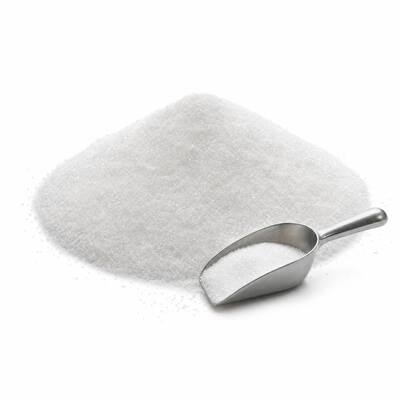
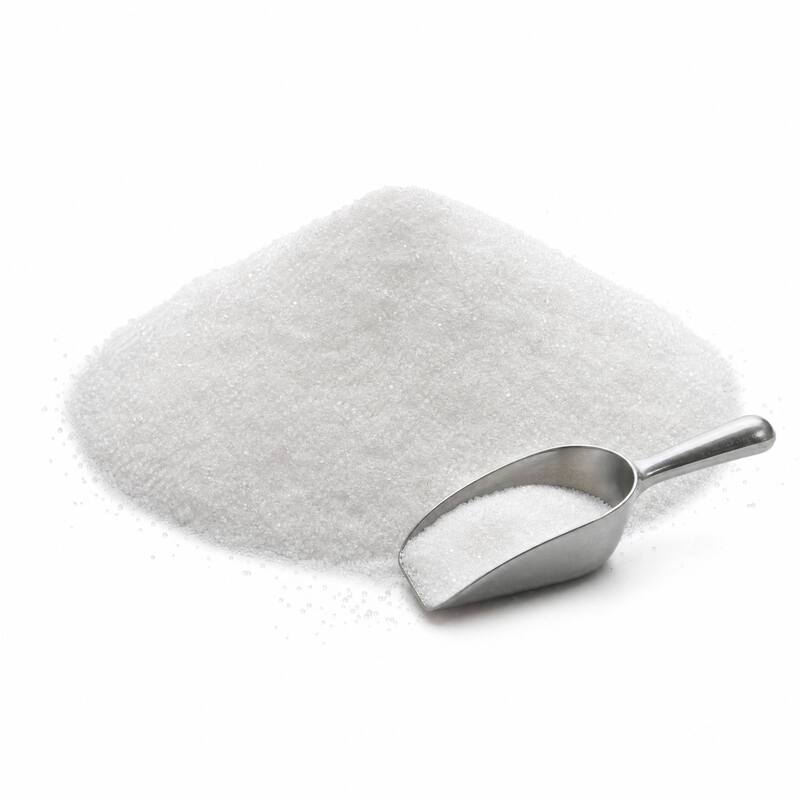
| Grade: | Food Grade / FCC | Form & Appearance: | White Crystalline Powder, Odourless, Free Flowing |
| Assay / Purity: | 99.0% - 101.0% (HPLC) | CAS No.: | 585-88-6 |
| E-Number / INS: | E965 / INS 965 | Molecular Formula: | C12H24O11 |
| Molecular Weight: | 344.31 | Particle Size / Mesh: | 20-40 Mesh (30-400 Mesh On Request) |
| Moisture Content: | 0.5% Max (Karl Fischer) | Melting Point: | 148 - 151 Celsius |
| Sweetness: | About 90% Of Sucrose | Energy: | 2.1 Kcal/g |
| Bulk Density: | 0.55 - 0.75 G/cm3 | Solubility: | Freely Soluble In Water |
| Hygroscopicity: | Low | Heat Stability: | Stable Up To 160 Celsius |
| Key Properties: | Non-Cariogenic, Tooth-Friendly, Low Glycemic, Low Hygroscopicity, Heat Stable | Conductivity: | 20 MicroSiemens Per Cm Max |
| Heavy Metals: | 10 Ppm Max (as Pb); Lead, Arsenic And Nickel 0.5 Ppm Max Each | Microbiological: | TPC 1000 Cfu/g Max; Yeast And Mould 100 Cfu/g Max; E. Coli And Salmonella Negative |
| Function: | Bulk Sweetener, Sugar Substitute, Bulking Agent, Humectant, Carrier | Application / End Use: | Sugar-Free Mint Candy, Pressed Mints, Chewing Gum, Hard Candy, Chocolate, Bakery, Ice Cream, Gummy, Protein Bar |
| Application Industry: | Confectionery, Bakery, Dairy, Beverage, Nutraceutical | Raw Material: | Non-GMO Corn Starch |
| Production Process: | Enzymatic Hydrolysis And Catalytic Hydrogenation Of Maltose | Sugar-Free Suitable: | Yes, For Sugar-Free And Reduced-Sugar Formulations |
| Sucrose Substitute: | Yes, About 90% Of Sucrose Sweetness, Clean Profile, No Bitter Aftertaste | Packaging: | 25kg Kraft Paper Bag With PE Inner Liner |
| Bulk Packing: | FIBC 500 - 1000 Kg Available | Loading Capacity: | 20 MT Per 20GP Container |
| HS Code: | 2940009090 | Port Of Loading: | Qingdao, China |
| MOQ: | 100 Kg | Supply Ability: | 1000 MT Per Month |
| Delivery Time: | 7 - 10 Working Days | Payment Terms: | L/C, T/T, D/P, D/A |
| Shelf Life: | 24 Months | Storage: | Cool, Dry, Ventilated Warehouse Below 25 Celsius, RH Below 60% |
| Certificate: | ISO 9001, ISO 22000, FSSC 22000, HALAL, KOSHER, Non-GMO | Documents: | COA, SDS, Specification Sheet, Packing List, Certificate Of Origin |
| Supplier Type: | Manufacturer And Exporter | Sample Policy: | Sample Bag Available For Trial Before Order |
| OEM / Private Label: | Supported, Custom Bags, Weights And Retail Packs |
Mint confectionery is the one sugar-free category where the buyer tastes the polyol before anything else. There is no cocoa, no fruit acid and no caramel to hide behind: a mint is essentially sweetener, flavour and either compression or a cooked glass. That leaves the bulk sweetener carrying the whole mouthfeel on its own, which is why mints are a harder brief than chocolate or bakery.
Maltitol powder (E965, INS 965, CAS 585-88-6, C12H24O11) fits that brief better than most polyols. Its sweetness is about 90% that of sucrose, the sweet profile is clean with no bitter tail, and the cooling note is mild — unlike sorbitol or xylitol it does not fight the menthol, so the mint flavour stays in front instead of being buried under a cold sensation. At 2.1 kcal/g and non-cariogenic by nature, the polyol also carries the sugar-free and tooth-friendly positioning into the finished piece rather than leaving it on the packaging.
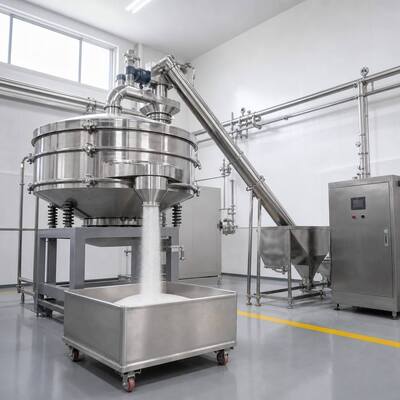
This grade is milled to a 20-40 mesh cut and supplied in 25 kg kraft paper bags with a PE inner liner, unprinted. The cut is chosen for the two production routes that account for most mint volume: high-speed rotary pressing, where flow and a low fines content decide weight uniformity and punch life, and cooked mint candy, where a narrow particle band dissolves evenly and keeps the cook transparent.
Maltitol is produced by hydrogenating high-purity maltose from non-GMO corn starch, and it is the same molecule we supply as maltitol syrup — the powder and the syrup are two physical forms of one polyol, and formulators often run both in the same plant.

| Parameter | Specification |
| Product name | Maltitol Powder |
| Chemical name | 4-O-alpha-D-glucopyranosyl-D-glucitol (D-Maltitol) |
| CAS number / E number | 585-88-6 / E965 (INS 965) |
| Molecular formula / MW | C12H24O11 / 344.31 |
| Appearance | White crystalline powder, free flowing, odourless |
| Assay (dry basis, HPLC) | 99.0% – 101.0% |
| Particle size | 20-40 mesh (other cuts 30-400 mesh on request) |
| Moisture (Karl Fischer) | 0.5% max |
| pH (50% solution) | 5.0 – 7.5 |
| Conductivity | 20 μS/cm max |
| Heavy metals (as Pb) | 10 ppm max; lead, arsenic and nickel 0.5 ppm max each |
| Melting point | 148 °C – 151 °C |
| Sweetness / energy | About 90% of sucrose; 2.1 kcal/g |
| Bulk density | 0.55 – 0.75 g/cm³ |
| Solubility | Freely soluble in water |
| Heat stability | Stable in drying air up to about 160 °C |
| Hygroscopicity | Low |
| Grade | Food Grade / FCC |
| Packaging | 25 kg kraft paper bag with PE inner liner; FIBC 500-1,000 kg available |
| HS code | 2940009090 |
Every batch ships with its own COA. The figures below are typical of routine production for this grade and are published so the margin between specification and practice is visible before you order.
| Test item | Method | Specification | Typical result |
| Appearance | Visual | White crystalline powder | Conforms |
| Assay (maltitol, dry basis) | HPLC | 99.0% – 101.0% | 99.3% |
| Moisture | Karl Fischer | 0.5% max | 0.16% |
| pH (50% solution) | pH meter | 5.0 – 7.5 | 6.2 |
| Reducing sugars | Titrimetric | 0.10% max | < 0.05% |
| Sulphated ash | Gravimetric | 0.10% max | 0.02% |
| Conductivity | Conductivity meter | 20 μS/cm max | Conforms |
| Heavy metals (as Pb) | Colorimetric | 10 ppm max | < 5 ppm |
| Lead | AAS / ICP-MS | 0.5 ppm max | < 0.5 ppm |
| Arsenic | AAS / ICP-MS | 0.5 ppm max | < 0.5 ppm |
| Nickel | ICP-MS | 0.5 ppm max | < 0.5 ppm |
| Total plate count | Plate count | 1,000 cfu/g max | < 100 cfu/g |
| Yeast and mould | Plate count | 100 cfu/g max | < 10 cfu/g |
| Escherichia coli | Plate count | Absent / g | Absent |
| Salmonella | Plate count | Absent / 25 g | Absent |
A pharmacopoeial grade released against the BP, USP and EP monographs is also produced, with tighter microbiological limits, conductivity control and elemental impurity testing. If your registration or your customer's specification calls for it, say so at enquiry and we will quote that grade instead of the food grade.
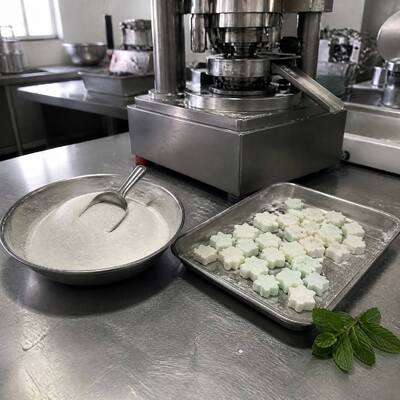
Direct compression is where the 20-40 mesh cut earns its price. A rotary press running at speed needs powder that flows from the hopper without bridging and fills the die consistently, because weight variation between tablets shows up later as hardness variation and uneven dissolution in the mouth. A narrow 20-40 mesh band with limited fines gives that flow, and it keeps dust off the punch faces — fine material is the usual cause of sticking and of the pick-off marks that appear on the embossed side of a mint.
Maltitol is crystalline and compacts by plastic deformation, so it forms a hard tablet at the press forces mints normally run at, without the brittle capping that fine, dry powders produce. Its low hygroscopicity matters after the tin is closed: pressed mints that pick up moisture go soft, then sticky, then grainy on the surface, and that failure mode is usually traced to a sweetener that was holding more water than the specification promised. At 0.5% moisture maximum, sealed in a PE liner, the water load going into the press is low and repeatable.
For a sugar-free pressed mint the polyol is typically the whole of the sweetener phase, often with a small addition of a high-intensity sweetener to lift the top note. Because maltitol already reads close to sucrose, the level of intense sweetener needed is lower than in a sorbitol-based recipe, which keeps the aftertaste clean.
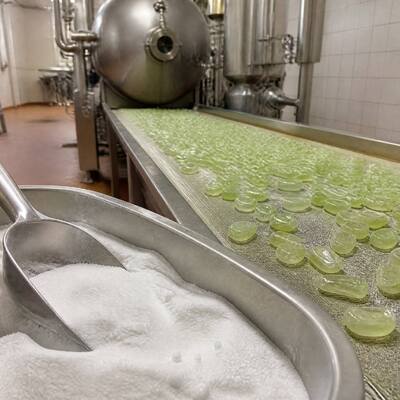
In a cooked mint candy the sweetener has to survive the cook, stay clear, and not brown. Maltitol is stable in drying air up to about 160 °C, so normal vacuum cook temperatures do not caramelise it, and because it has no reducing carbonyl group it does not take part in Maillard browning — a mint candy cooked on maltitol stays water-clear or white, where a sucrose-glucose cook drifts yellow as the batch is held warm.
Two process points are worth planning for. Cook to a low final moisture, because maltitol hard candy that leaves the cooker wet will grain in the batch roller and turn opaque. And keep the cooked mass above its working temperature through forming; maltitol sets hard quickly, which is an advantage for demoulding but unforgiving if the line runs cold.
Sweetness at 90% of sucrose means the recipe usually needs no correction for a mint, where menthol dominates the profile anyway.
The same powder is used as the sweetener phase in sugar-free gum, as a dusting agent that keeps pellets from sticking before panning, and in the coating suspension for a crisp sugar-free shell. Lozenges — pressed or cooked — use it the same way as mints, with the advantage that the piece stays tooth-friendly through the shell and not only in the core.
| Property | Sucrose | Maltitol powder |
| Sweetness | Reference | About 90% — a like-for-like weight swap tastes slightly less sweet |
| Energy | About 4 kcal/g | About 2.1 kcal/g |
| Cariogenicity | Fermentable by oral bacteria | Non-cariogenic, tooth-friendly |
| Browning in the cook | Maillard browning over time | No Maillard reaction — colour stays clear |
| Hygroscopicity | Picks up moisture readily | Low — better shelf stability in tins and humid markets |
| Cooling sensation | None | Mild, and it does not mask mint flavour |
| Labelling | Sugar | Polyol — check the claim wording against your local regulation; polyols carry a laxative-effect statement in most markets |
Batches are released in our own laboratory: HPLC for assay, Karl Fischer for moisture, conductometry for conductivity, and full microbiological plating, with ICP available for elemental impurities. Production runs under ISO 9001, ISO 22000 and FSSC 22000 management systems, with Halal and Kosher (Pareve) product certification, and the material is made from non-GMO corn starch with a non-GMO declaration available for customers who need it in the file.
Each shipment is accompanied by a batch-specific Certificate of Analysis, specification sheet, material safety data sheet, packing list, commercial invoice and certificate of origin. Third-party testing is arranged on request, and if you send a target specification we will mark up the differences against it rather than send a generic sheet back.
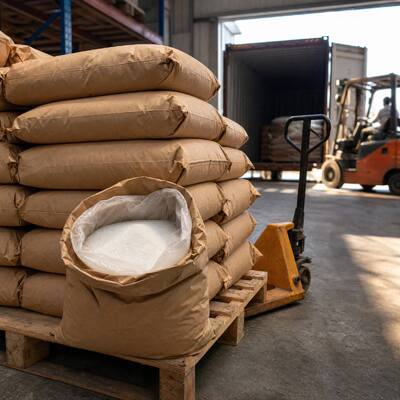
Standard export packing is 25 kg kraft paper bags with an inner PE liner, unprinted and palletised for container loading, with 20 MT loadable in a 20GP container. FIBC supersacks of 500-1,000 kg are available for volume buyers, and loading plans are confirmed per order according to grade, packing format and palletisation. OEM and private-label packing — branded bags, custom weights, retail-ready packs — is supported for distributors who resell in repacked form. Shipments are arranged from Qingdao, with L/C, T/T, D/P and D/A terms accepted.
Keep the bags sealed and store in a cool, dry, well-ventilated warehouse below 25 °C and 60% relative humidity, away from direct sunlight, moisture and strongly odorous goods. Under these conditions shelf life is 24 months from the date of manufacture. Opened bags should be resealed or used in full, since the low hygroscopicity of the material is only an advantage while the liner is intact.
Can maltitol replace sucrose one-to-one by weight in a mint recipe? Not without adjustment. Sweetness is about 90% of sucrose, so the same weight tastes slightly less sweet, and in a cooked candy the solids level may need trimming to keep the working temperature and viscosity in the same range. Most customers run a short trial batch and fix the recipe on the result.
Which mesh should a pressed mint line use? 20-40 mesh is the usual starting point for rotary pressing: it flows well, produces limited fines and gives consistent die fill. Finer cuts such as 60-200 mesh suit coating suspensions and fast-dissolving applications but need more attention to dust and sticking on the punches.
Will the powder cake in the bag? Maltitol is only mildly hygroscopic and the PE liner does most of the work. Caking in practice comes from storage above the recommended humidity or from opened bags left unsealed.
Is the mint still sugar-free if the shell or the dusting powder contains maltitol? Yes, provided the whole piece is formulated on polyols. Maltitol is non-cariogenic and carries about 2.1 kcal/g, so the tooth-friendly and reduced-calorie positioning holds through the coating as well as the core. Confirm the label wording against the regulation of the market you sell into.
What is the minimum order and lead time? Minimum order is 100 kg for trial quantities, and lead time and container pricing are confirmed per order according to grade, mesh and packing format. Sample bags are available before an order is placed.