 |
| Place of Origin: | China |
| Brand Name: | Golden Grain |
| Certification: | ISO9001, COA,SDS |
| Model Number: | GLMA-01771 |
| Minimum Order Quantity: | 100kg |
|---|---|
| Price: | USD1.00-USD1.65/KG FOB QINGDAO, CHINA |
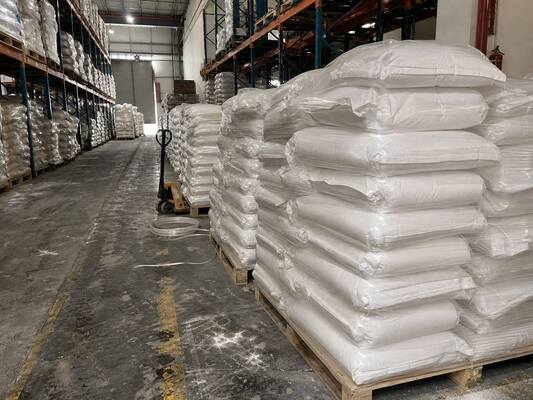
| Packaging Details: | 25kg/Bag with Paper Drum and PE Inner |
| Delivery Time: | 7 - 10 working days |
| Payment Terms: | L/C, T/T, D/P, D/A |
| Supply Ability: | 1000MT per month |
| Caloric Value: | 2.1 Kcal/g | Shelf Life: | 2 Years When Stored Properly |
|---|---|---|---|
| Glycem Icindex: | 35 | Sweetness: | Approximately 70-90% Of Sucrose |
| Source: | Hydrogenation Of Maltose | Taste Profile: | Sweet, Nearly No Cooling Effect |
| Usage: | Sugar Substitute In Confectionery, Baked Goods | Chemical Formula: | C12H24O11 |
| Ins No: | E965 | Uses: | Sugar Substitute In Food And Beverages |
| Allergeninformation: | Generally Recognized As Safe, Non-allergenic | Casnumber: | 585-88-6 |
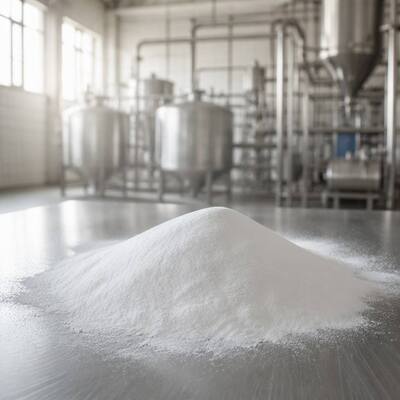
Maltitol Powder is a disaccharide sugar alcohol (polyol) made by hydrogenation of maltose obtained from starch. It is supplied as a white, crystalline powder containing small amounts of sorbitol and related polyhydric alcohols, and it is very soluble in water and slightly soluble in ethanol. Registered under CAS No. 585-88-6, food additive INS No. 965, it is one of the most widely used polyols in the confectionery, bakery, beverage and pharmaceutical industries.
The defining characteristic of maltitol powder is how closely its sweetness and mouthfeel follow sucrose. Its high sweetness allows it to be used on its own, without being mixed with other sweeteners, and it exhibits a negligible cooling effect (positive heat of solution) compared with other sugar alcohols — very similar to the subtle cooling effect of sucrose. That is why it is the polyol of choice for sugar-free products that must still taste like the sugar-based original.
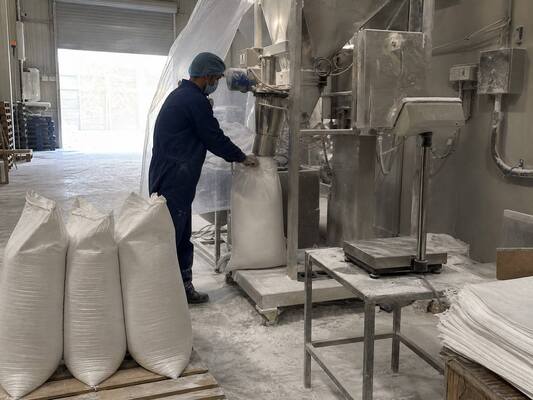
Every batch of our maltitol powder is manufactured and tested to BP / USP / EP / FCC V, packed 25 kg per bag in a kraft bag with a PE inner liner, and issued with a Certificate of Analysis. Typical buyers include confectionery manufacturers producing sugarless hard candies and chewing gum, chocolate and bakery producers, ice cream manufacturers, syrup and beverage producers, and pharmaceutical and nutraceutical manufacturers looking for a low-calorie sweetening agent or excipient.

| Parameter | Detail |
| Commodity Name | Maltitol Powder |
| CAS No. | 585-88-6 |
| INS No. | 965 |
| HS Code | 38249099 |
| Molecular Formula | C12H24O11 |
| Molecular Weight | 344.31 |
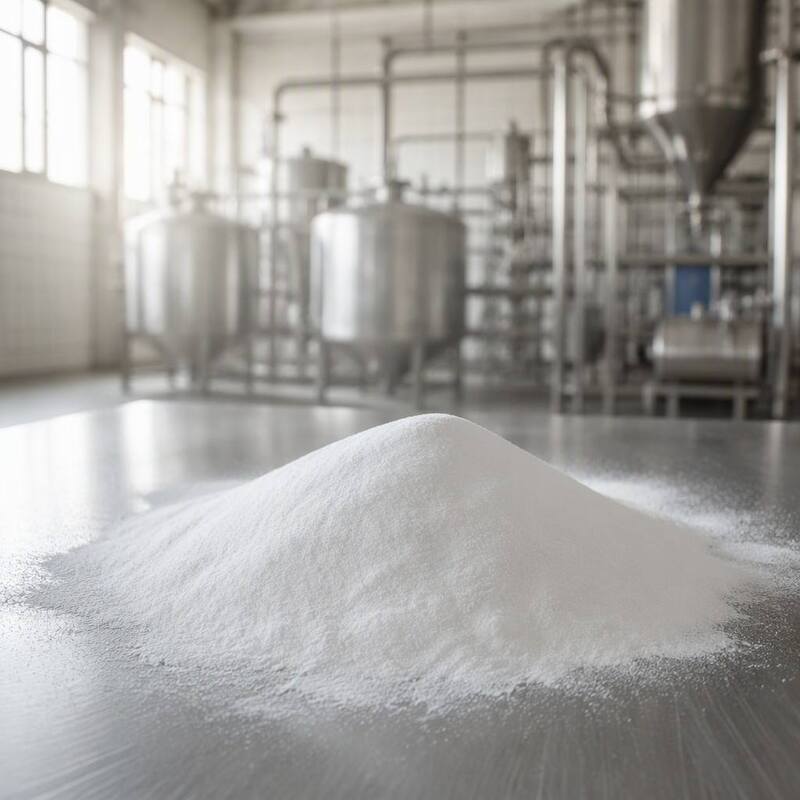
| Description | White, crystalline powder |
| Standard | BP / USP / EP / FCC V |
| Packing | 25 kg per bag, kraft bag with PE inner liner |
| Storage | Cool, dry, ventilated environment |
Maltitol is a disaccharide made by hydrogenation of maltose obtained from starch. Maltitol powder occurs as a white, crystalline powder containing small amounts of sorbitol and related polyhydric alcohols. It is very soluble in water and slightly soluble in ethanol.
Maltitol's high sweetness allows it to be used without being mixed with other sweeteners. It exhibits a negligible cooling effect (positive heat of solution) in comparison with other sugar alcohols, and is very similar to the subtle cooling effect of sucrose. Its similarity to sucrose also allows it to be used in syrups, with the advantage that crystallisation — which may cause bottle caps to stick — is less likely.
| Item | Specification |
| Description | White, crystalline powder |
| Identification | A, B, C, D |
| Assay | 99.0 % to 101.0 % |
| Related Products | ≤ 1 % |
| Specific Optical Rotation | +105.5 to +108.5 |
| Reducing Sugars | ≤ 0.1 % |
| Water | ≤ 0.5 % |
| Sulphates | ≤ 0.01 % |
| Heavy Metals | ≤ 10 ppm |
| Sulfate | ≤ 100 ppm |
| Chloride | ≤ 50 ppm |
| Conductivity | ≤ 20 µS·cm-1 |
| Sulfated Ash | ≤ 0.10 % |
| Lead | ≤ 0.5 ppm |
| Nickel | ≤ 0.5 ppm |
| Arsenic | ≤ 0.5 ppm |
| Melting Point | 148 ºC to +151 ºC |
| Total Bacteria Count | ≤ 20 pcs/g |
| Molds and Yeasts | ≤ 10 pcs/g |
| Escherichia Coli | Negative |
| Salmonella | Negative |
| Item | Specification | Result |
| Description | White, crystalline powder | Conforms |
| Identification | A, B, C, D | Conforms |
| Assay | 99.0 % to 101.0 % | 99.42 % |
| Related Products | ≤ 1 % | 0.58 % |
| Specific Optical Rotation | +105.5 to +108.5 | +106.5 |
| Reducing Sugars | ≤ 0.1 % | 0.02 % |
| Water | ≤ 0.5 % | 0.09 % |
| Sulphates | ≤ 0.01 % | Conforms |
| Heavy Metals | ≤ 10 ppm | < 10 ppm |
| Sulfate | ≤ 100 ppm | < 100 ppm |
| Chloride | ≤ 50 ppm | < 50 ppm |
| Conductivity | ≤ 20 µS·cm-1 | 4.8 µS·cm-1 |
| Sulfated Ash | ≤ 0.10 % | 0.02 % |
| Lead | ≤ 0.5 ppm | 0.01 ppm |
| Nickel | ≤ 0.5 ppm | < 0.5 ppm |
| Arsenic | ≤ 0.5 ppm | < 0.5 ppm |
| Melting Point | 148 ºC to +151 ºC | 149.5 ºC |
| Total Bacteria Count | ≤ 20 pcs/g | < 10 pcs/g |
| Molds and Yeasts | ≤ 10 pcs/g | < 10 pcs/g |
| Escherichia Coli | Negative | Negative |
| Salmonella | Negative | Negative |
| Conclusion | The results conform to the specification | Conforms |
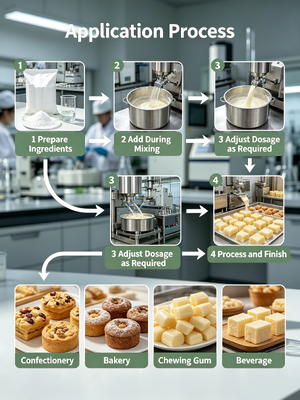
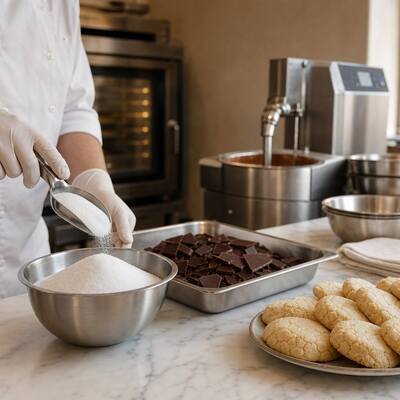
Maltitol powder is used especially in the production of sweets — sugarless hard candies, chewing gum, chocolates, compound coatings and similar products. Because its sweetness and mouthfeel follow sucrose closely, it is the practical way to make a sugar-free version of a confection that still tastes familiar.
In bakery products and ice cream, maltitol powder works as a sweetener, humectant and texturizing agent, contributing sweetness together with body and moisture retention in the finished product.
Its similarity to sucrose allows maltitol to be used in syrups, with the advantage that crystallisation is less likely — a benefit for bottled syrups and liquid sweetener systems, where sucrose crystals can cause bottle caps to stick. It is also used as a stabiliser and sweetener in beverage formulations.
The pharmaceutical industry uses maltitol as an excipient, where it serves as a low-calorie sweetening agent. Maltitol may also be used as a plasticiser in gelatin capsules, as an emollient and as a humectant.
In personal care and cosmetic formulations, maltitol is used for its emollient and humectant functions, helping products retain moisture and maintain a smooth feel.
| Item | Detail |
| Standard Packing | 25 kg per bag, kraft bag with PE inner liner |
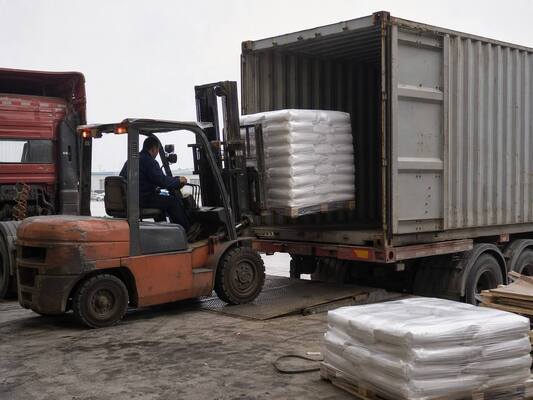
| Transportation | In accordance with the requirement for general chemicals |
| Recorded Batch Packing | 25 kg per bag with kraft bag and PE inner (Batch No. 20240412) |
| Customised Packing | Available on request |
Store maltitol powder in a cool, dry and ventilated environment. Keep the bags sealed until use, away from direct sunlight, moisture and strong odours, and stack them so that the packaging is not crushed or torn. Under these conditions the product keeps its white crystalline form and its specified properties.
Each production batch is sampled and tested before release. Routine testing covers description, identification, assay, related products, specific optical rotation, reducing sugars, water, sulphates, heavy metals, sulfate, chloride, conductivity, sulfated ash, lead, nickel, arsenic, melting point and microbiology (total bacteria count, moulds and yeasts, E. coli and salmonella).
A Certificate of Analysis is issued for every batch and can be supplied with the shipment. Technical documents including the product specification, safety data sheet and a sample Certificate of Analysis are available on request, and samples can be arranged for evaluation before you place a bulk order.
Qingdao Golden Grain Chemical Co., Ltd, invested by Golden Grain Group Limited, one professional manufacturer and exporter since 2000, is devoted to supplying products and solutions to food & beverage, medicine, animal feed & nutrition, personal care & household, construction, agriculture.
Golden Grain Group Limited have professional staff, advanced production lines and complete lab equipment, pass GMP, HACCP, ISO, HALAL, KOSHER, BRC, GMP-Free, and other necessary certificates, which ensure our quality to be international standard. For many years' experience, we are exporting our products to more than 60 countries in the world.
"Quality Products", "Efficient Service", Golden Grain Group Limited hope to enter good business cooperation with customers at home and abroad for long.
Q: What is maltitol powder? A: Maltitol powder is a disaccharide sugar alcohol (polyol) made by hydrogenation of maltose obtained from starch. It is supplied as a white, crystalline powder containing small amounts of sorbitol and related polyhydric alcohols.
Q: What is maltitol powder used for? A: It is used especially in sugarless hard candies, chewing gum, chocolates, baked goods and ice cream, in syrups and beverages, and in pharmaceutical and nutraceutical applications as an excipient and low-calorie sweetening agent. It also functions as a humectant, texturizing agent, stabiliser and emollient.
Q: How is maltitol different from other sugar alcohols? A: Its sweetness and mouthfeel are much closer to sucrose, and its cooling effect is negligible (positive heat of solution) compared with other sugar alcohols — very similar to the subtle cooling effect of sucrose. It can therefore be used on its own, without being blended with other sweeteners.
Q: Which standards does your maltitol powder meet? A: It is manufactured and tested to BP / USP / EP / FCC V, with INS No. 965 as the food additive number.
Q: What is the assay and moisture content? A: Assay is 99.0 % to 101.0 % and water content is ≤ 0.5 %; a recorded batch result was 99.42 % assay with 0.09 % water.
Q: Does maltitol cause crystallisation problems in syrups? A: No. Its similarity to sucrose means it can be used in syrups, with the advantage that crystallisation — which may cause bottle caps to stick — is less likely.
Q: How is maltitol powder packed? A: Standard packing is 25 kg per bag in a kraft bag with a PE inner liner, and customised packing is available on request.
Q: Can you supply a sample and a Certificate of Analysis? A: Yes. Samples can be arranged for evaluation, and a Certificate of Analysis is issued for every batch and provided with the shipment.
Q: What is the shelf life and how should it be stored? A: Store in a cool, dry and ventilated environment with the bags sealed until use. Our batch documentation records a two-year period between manufacture and expiry.
Q: Does maltitol contain allergens? A: The product contains none of the ingredients on the list of allergens of the EC.
Q: What is the HS code and CAS number? A: The HS code is 38249099 and the CAS number is 585-88-6.