 |
| Place of Origin: | Qingdao, Shandong, China |
| Brand Name: | Golden Grain |
| Certification: | ISO9001, ISO22000, HALAL, KOSHER |
| Model Number: | GMAL-1105 |
| Minimum Order Quantity: | 1300kg |
|---|---|
| Price: | USD420-USD500/MT FOB QINGDAO, CHINA |
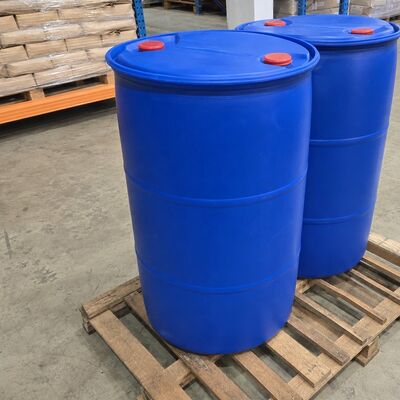
| Packaging Details: | 250kg/drum, 270kg/drum, 275kg/drum HDPE drum, 1300kg IBC drum, flexible bag |
| Delivery Time: | 7 - 10 working days |
| Payment Terms: | L/C, T/T, D/P, D/A |
| Supply Ability: | 40000MT per month |
| Grade: | Food Grade | Application / End Use: | Toothpaste, Chewing Gum, Candy, Beverage, Cosmetics, Vitamin C Synthesis |
|---|---|---|---|
| Function: | Humectant, Sweetener, Crystallization Inhibitor, Polyol Raw Material, Chemical Intermediate, Moisture Retention Agent | Form & Appearance: | Clear Colorless Syrupy Liquid |
| Concentration: | 70% Dry Solids | Synonyms / Other Names: | Sorbitol Syrup, Sorbitol Solution, D-Glucitol, Glucitol |
| CAS No. / E-Number: | 50-70-4 / E420 (INS 420) | Packaging: | 250kg/270kg/275kg HDPE Drum; 1300kg IBC; Flexible Bag |
| HS Code: | 38246000 | Certification: | ISO 9001, ISO 22000, Halal, Kosher |
| Dry Substance: | 70.0% Min | PH: | 5.0 - 7.5 |
| Reducing Sugars: | 0.2% Max | Water Content: | 30.0% Max |
| Heavy Metals: | 1 Mg/kg Max (as Pb); Arsenic 1 Mg/kg Max; Nickel 1 Mg/kg Max |
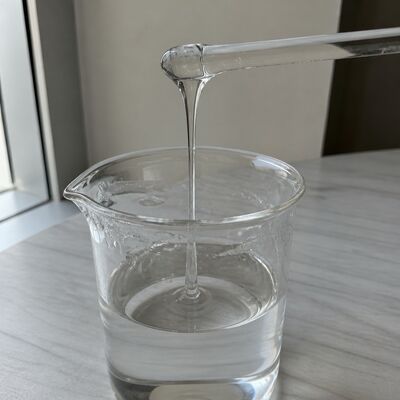
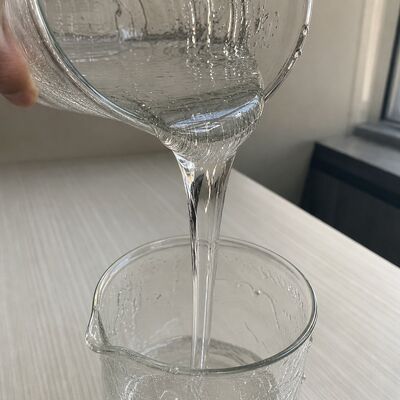
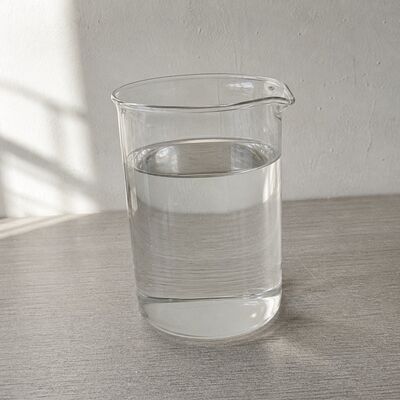
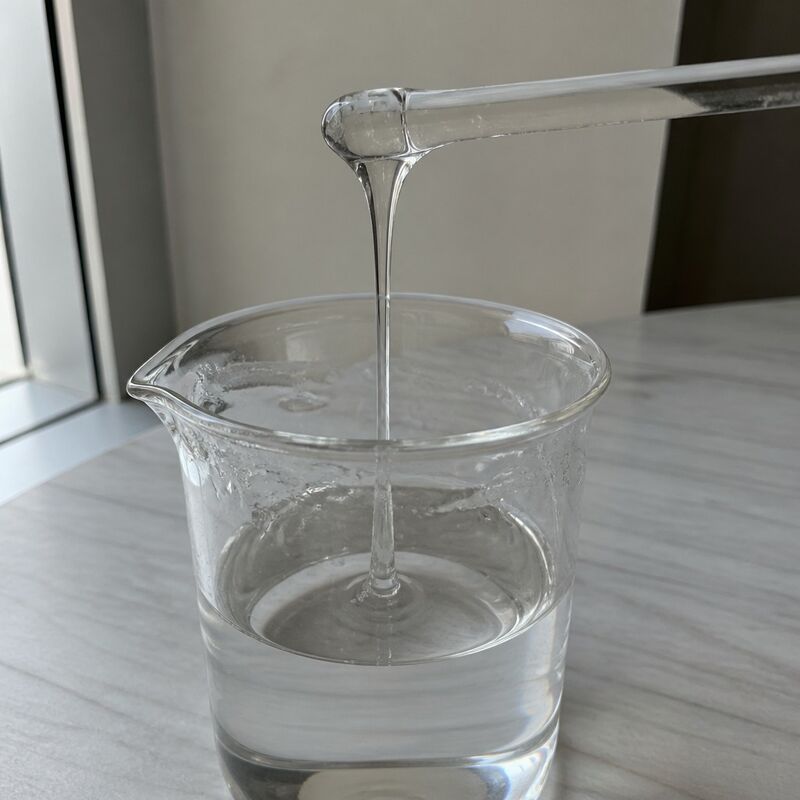
Sorbitol Solution 70% (D-Glucitol, CAS 50-70-4, E420 / INS 420) is a clear, colourless, syrupy liquid with a faint sweet taste, supplied as a ready-to-use aqueous solution at 70% dry substance. It is produced by the catalytic hydrogenation of glucose derived from corn starch, and is fully miscible with water, glycerol and propylene glycol.
Three properties drive most of its use. It is a humectant that holds moisture in a product and keeps it from drying, cracking or hardening. It is a sweetener with a clean taste roughly half to 70% as sweet as sucrose, carrying a mild cooling sensation. And it is a crystallisation inhibitor that keeps syrups and confections smooth and clear instead of grainy.
Because the material arrives already dissolved, there is no dissolving step, no dust and no risk of incomplete hydration — it can be metered straight into syrups, pastes, emulsions and binder solutions. The 70% concentration is the standard commercial form: it balances sweetness, viscosity and pumping behaviour, and it stays clear in storage rather than crystallising in a holding tank.
The product is available in Food Grade, Cosmetic Grade and Industrial Grade, all three supplied from the same production line to the same specification, so a customer running confectionery, oral care and personal care lines can consolidate to one sorbitol source and one document set. Other names used in the trade include Sorbitol Syrup, Sorbitol Solution, D-Glucitol and Glucitol.

| Parameter | Specification |
| Product name | Sorbitol Solution 70% |
| Chemical name | D-Glucitol |
| Synonyms | Sorbitol Syrup, Sorbitol Solution, D-Glucitol, Glucitol |
| CAS number | 50-70-4 |
| E number / INS number | E420 / INS 420 |
| HS code | 38246000 |
| Molecular formula | C6H14O6 |
| Appearance | Clear, colourless, syrupy liquid; free from visible impurities |
| Odour and taste | Odourless; faint sweet taste |
| Dry substance | 70.0 % min |
| Sorbitol content | 69.0 % – 71.0 % |
| Water content | 30.0 % max |
| pH | 5.0 – 7.5 |
| Reducing sugars | 0.2 % max |
| Nickel | 1 mg/kg max |
| Heavy metals (as Pb) | 1 mg/kg max |
| Arsenic (as As) | 1 mg/kg max |
| Total aerobic microbial count | < 100 cfu/g |
| Packing | 250 kg / 270 kg / 275 kg HDPE drum; 1300 kg IBC or flexible bag |
| Shelf life | 24 months in unopened drums under the stated storage conditions |
Food, cosmetic and industrial grades share this specification; the difference between them is the label and the document set released with the lot, not the base chemistry. Food use is covered by E420 (INS 420) and by the FCC monograph. The solution is supplied as a food, cosmetic and industrial raw material and is not offered as a pharmacopoeial grade or for injection use. The certificate of analysis issued for each shipment is the governing document.
| Test item | Typical result | Method |
| Identification | Conforms | Infrared and retention time |
| Sorbitol content | 70.4 % | HPLC |
| Water | 29.6 % | Karl Fischer |
| Reducing sugars | 0.05 % | Titrimetric |
| Residue on ignition | 0.02 % | Gravimetric |
| Total heavy metals (as Pb) | < 1 mg/kg | Colorimetric |
| Arsenic (as As) | < 1 mg/kg | AAS |
| Nickel | < 0.2 mg/kg | ICP-MS |
| Conductivity | 8 µS/cm | Conductometric |
| UV absorbance, 270 to 350 nm | 0.03 | Spectrophotometric |
| Total aerobic microbial count | < 100 cfu/g | Plate count |
Each line reports the result, the limit in the cited specification and the method used, so the document can be filed without further interpretation. Typical values are representative of routine production and are not a release commitment; the lot certificate prevails.
Oral care and confectionery. Toothpaste, mouthwash, chewing gum, candy, marshmallow and tablet coatings. Sorbitol keeps toothpaste from hardening in the tube, gives chewing gum its plasticity and slow sweetness release, and stops sugar crystallising in boiled sweets. It is the standard humectant in sugar-free chewing gum and in alcohol-free mouthwash, where it carries sweetness without the mouthfeel of a sugar syrup.
Bakery and beverages. Cakes, bread and pastries stay soft for longer; juice drinks and flavoured waters gain mild sweetness without added sugar. In frozen desserts it improves texture and controls ice crystal growth.
Personal care. Creams, lotions, shampoos, conditioners and lip balms, where it binds water at the skin and hair surface and improves rub-out.
Industrial chemistry. A polyol raw material and chemical intermediate for sorbitan esters, Span and Tween surfactants, vitamin C synthesis, polyurethane polyols and resins. Also used in detergents and cleaning products for moisture control, in adhesives as a softener, and in paper and textile processing as a moisture conditioning aid.
Release follows a fixed test set: identification by infrared and retention time, sorbitol content by HPLC, water by Karl Fischer, reducing sugars, residue on ignition, heavy metals, arsenic, nickel by ICP-MS, conductivity, UV absorbance across the stated range, and microbial limits.
Every lot is released against a written specification that names the standard and the method applied to each line. Retained samples are kept from each fill so that a customer's own laboratory can cross-check a delivered lot, and any out-of-specification result is investigated before the lot is released or rejected. The company operates under ISO 9001 and ISO 22000, and the plant is Halal and Kosher certified; certificates are issued with the shipment or on request.
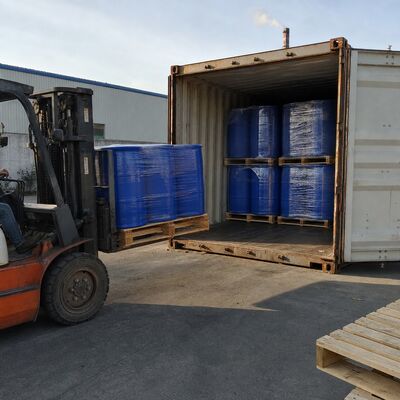
Standard packing is 250 kg, 270 kg or 275 kg net in new HDPE drums with tamper-evident closures, palletised and stretch-wrapped. For larger volumes the material is supplied in 1300 kg IBC containers or flexible bags. Minimum order is 1300 kg, which allows a full pallet or a single IBC as a trial quantity before moving to contract volumes.
Each shipment travels with the lot certificate of analysis, the safety data sheet and the packing list. Label format, certificate template and closure requirements agreed in a customer quality agreement are built into the packing instruction before filling, so documents are issued before dispatch rather than assembled afterwards.
Store between 15 °C and 30 °C in a closed, dry area away from sunlight and away from strong odours, since the solution picks up foreign smells. Keep drums sealed until use, draw samples with clean equipment and reseal immediately afterwards. Do not store against a heated wall and do not allow the drum to freeze. Where a quality agreement sets a retest period, record the fill date on the drum label and schedule the retest before that period expires.
The material is non-hazardous. A full safety data sheet is supplied with each shipment and is available in advance for assessment.
One line, three grades, one document set. Food, cosmetic and industrial grades are produced on the same line to the same specification, so a buyer running confectionery, oral care and personal care can consolidate to a single sorbitol source and a single certificate format — no parallel approvals, no duplicated audits.
Purity reported as numbers, not as a statement. Nickel is tested by ICP-MS against a 1 mg/kg limit, and conductivity and UV absorbance are released as measured values. The residue that matters for a hydrogenated polyol is the catalyst metal, and naming the figure lets your laboratory compare one lot against another instead of trusting a line that says "conforms".
Non-crystallising in storage. The solution is formulated to stay clear in the drum and in a holding tank, which takes a crystallisation deviation out of stored batches — a failure that typically appears months after delivery in syrup-based lines.
Retained samples from every fill. Your laboratory can cross-check a delivered lot against the sample held from the same filling, which shortens the path to resolution if a result is ever questioned.
Ready to meter. No dissolving step, no dust, no incomplete hydration. The solution pumps straight into syrups, pastes, emulsions and binder solutions.
Trial quantity before contract volume. Minimum order 1300 kg — one IBC or a full pallet — so a formulation can be validated on your production equipment before a volume commitment. Monthly capacity of 40,000 MT supports repeat and contract orders.
Certificates travel with the goods. ISO 9001, ISO 22000, Halal and Kosher certificates, the lot certificate of analysis, the safety data sheet and the packing list are issued with the shipment, and a complete document set can be sent in advance for supplier approval.
Packing built to your quality agreement. Label format, certificate template and closure requirements are agreed before filling, so documents are ready at dispatch rather than assembled afterwards.