Product Overview
Maltitol Powder is a crystalline sugar alcohol, D-Maltitol, CAS 585-88-6, E965, milled to a 30-80 mesh cut for biscuit and cookie production. Biscuit dough is a short, low-water system, and the sugar in it does three jobs at once: it controls how far the dough spreads on the band, it drives the colour and flavour of the bake, and it governs how the finished piece takes up water once it is packed.
Spread is the first thing that changes in a sugar swap. Maltitol dissolves more slowly and holds less free water than sucrose at the same dose, so a rotary moulded or wire-cut dough spreads less and stands taller. Bakers compensate by adjusting the water addition and the resting time, and by choosing the 30-80 mesh powder so the crystals dissolve at a rate that leaves the dough consistent from the first piece to the last on a long run.
Colour is the second change. Maltitol is non-reducing and does not take part in Maillard browning, so a biscuit that relied on sucrose and invert syrup for its bake colour comes out paler. The bake profile is extended slightly, milk solids are allowed a larger share, and a small quantity of reducing sugar is kept in the formula where the colour target is specific. Crispness is the third. A biscuit is crisp because it is a glassy, low-moisture solid, and it softens when water migrates from the filling or from the air. Maltitol binds water in the baked matrix, which slows the transfer from a cream filling into the shell and holds the snap for longer in a sandwich biscuit, while its own low hygroscopicity limits pickup through the wrapper.

Technical Specification
| Parameter |
Specification |
| Product name |
Maltitol Powder |
| Chemical name |
4-O-alpha-D-glucopyranosyl-D-glucitol (D-Maltitol) |
| CAS number / E number |
585-88-6 / E965 |
| Molecular formula |
C12H24O11, MW 344.31 |
| Appearance |
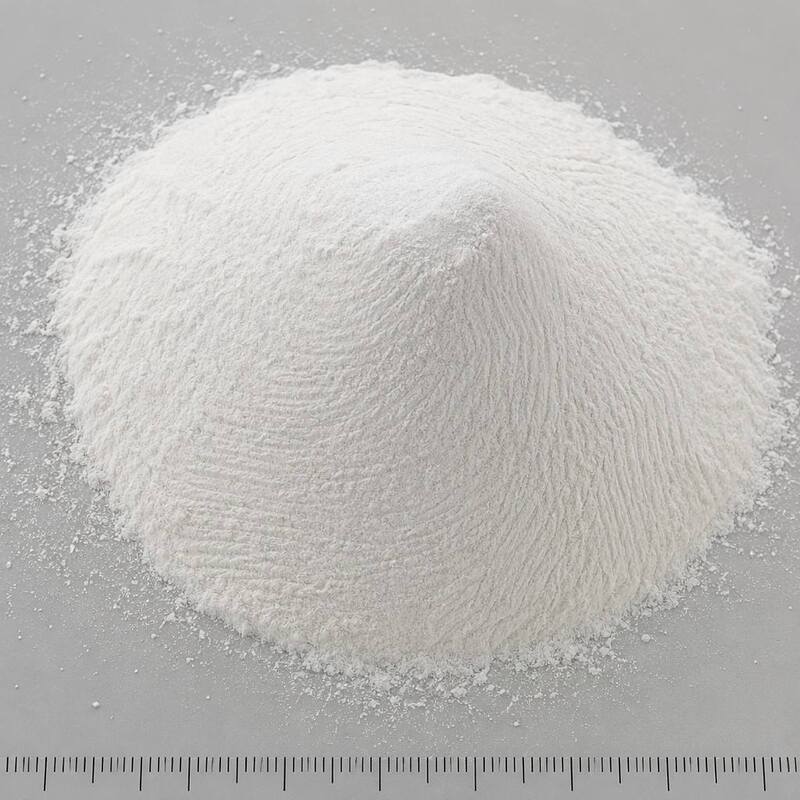
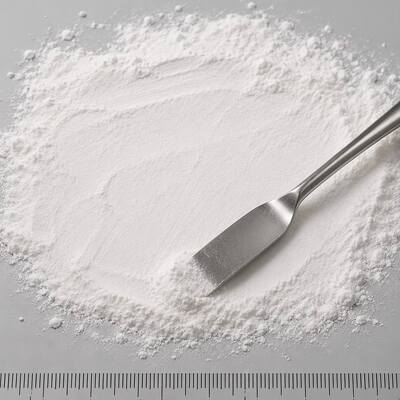
White crystalline powder, free flowing |
| Assay (dry basis) |
99.0% min |
| Mesh / particle size |
30-80 mesh, 90% min within cut |
| Moisture |
0.5% max |
| Grade |
Food Grade |
| Packaging |
25kg PP woven bag with PE inner liner |
Typical specification. The certificate of analysis issued for each shipment is the governing document.
Typical Certificate of Analysis
| Test item |
Typical result |
Method |
| Assay (D-Maltitol, dry basis) |
99.1% |
HPLC |
| Appearance |
White crystalline powder, free flowing |
Visual |
| Mesh distribution (30-80) |
95% within cut |
Sieve analysis |
| Moisture |
0.16% |
Karl Fischer |
| Reducing sugars |
0.05% |
Titrimetric |
| Residue on ignition |
0.03% |
Gravimetric |
| Total heavy metals (as Pb) |
< 5 mg/kg |
Colorimetric |
| Arsenic (as As) |
< 1 mg/kg |
AAS |
| Total plate count |
< 500 cfu/g |
Plate count |
| Yeast and mould |
< 50 cfu/g |
Plate count |
| E. coli |
Absent |
Plate count |
A certificate of analysis is issued for each lot, and a safety data sheet is available on request.
Applications
Rotary moulded and wire-cut biscuits
The powder is blended into the dry phase before the fat and water are added, so the dough hydrates evenly. Dough rest time is extended a little to let the crystals dissolve, and the band speed is trimmed to hold the target spread and piece weight.
Sandwich biscuits with cream filling
Maltitol in the shell slows the migration of moisture out of a high-fat cream, so the biscuit keeps its snap instead of going soft at the centre within a few weeks of packing.
Shortbread and butter cookies
Short doughs rely on fat for shortness and on sugar for the set. Maltitol gives a finer, more even crumb and a clean break, and the pale bake can be corrected through the oven zones rather than through extra sugar.
Wafers and wafer sheets
Wafer batter is high in water and low in fat, and the sheet sets on the hot plate within seconds. A fully dissolved powder keeps the batter uniform, so the sheet thickness and the crisp bite stay consistent across the plate.
Crackers and savoury biscuits
In a fermented cracker the sponge stage runs on flour sugars, and maltitol is added at the dough stage for body rather than for fermentation. The result is a thinner, crisper cracker with a controlled colour.
Quality Control
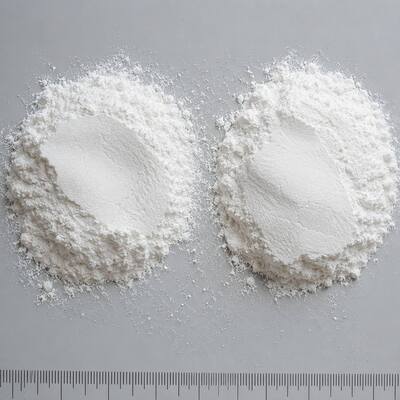
Each production lot is released on assay by HPLC, moisture by Karl Fischer, and a sieve check against the 30-80 mesh band. Colour is judged against a white reference plate because a pale bake is already a sensitive point in a sugar-reduced biscuit, and a lot with a warm cast would compound it. Heavy metals, arsenic and microbiological counts are tested against the specification before packing.
Bags carry a lot code that matches the pallet label and the certificate of analysis, and retained samples are stored so that any query on a delivery can be settled by re-testing the original material.
Packaging & Shipping
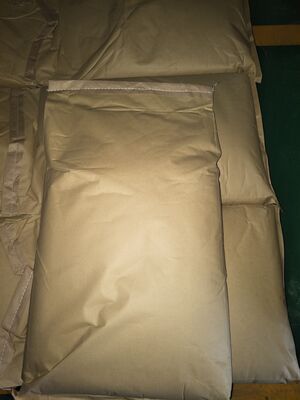
Standard packing is a 25kg PP woven bag with a PE inner liner, heat-sealed against moisture pickup and palletised for container loading. Neutral or buyer-branded bags are available for bulk orders. Loading plans are confirmed against the destination port, and full container, LCL and mixed shipments are all handled. The packing list, booking papers and certificate of analysis are ready before the container is released.
Storage & Handling
Store in a cool, dry, ventilated warehouse, out of direct sun and away from ovens, fryers or any wall that condenses. A biscuit plant is a dry environment, but an open bag left near a dough mixer will still pick up water from the air; reseal it after each weighing. Keep the pallet clear of strong-smelling materials. Sealed original bags remain in specification for 24 months.
Why Choose Us
- Bake-tested behaviour. The 30-80 mesh cut is chosen for dough systems where crystal size controls how quickly the sugar dissolves and how far the piece spreads.
- Narrow moisture band. Because water addition drives spread, moisture is tested at bagging so the figure on the certificate matches what reaches your mixer.
- One source from crystalliser to bag. The material is produced, milled and packed at a single plant, which removes the variability of re-packing through a third party.
- Documents ahead of the vessel. COA, packing list and booking papers are issued before dispatch so a biscuit line can plan a start-up without waiting on clearance.
- Neutral and private label bags. Standard 25kg PP woven bags with PE liner, palletised on request, printed to your artwork for bulk contracts.
- Support on sugar reduction. Our technical team can work through spread, bake colour and water addition with your product developers when a recipe is converted.