 |
| Place of Origin: | China |
| Brand Name: | Golden Grain |
| Certification: | ISO9001, COA,SDS |
| Model Number: | GLMA-01369113 |
| Minimum Order Quantity: | 1300kg |
|---|---|
| Price: | USD450-USD550/MT FOB QINGDAO, CHINA |
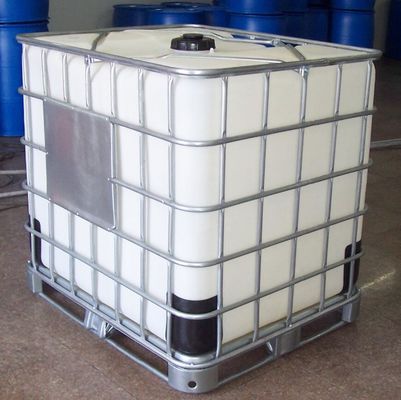
| Packaging Details: | 250kg/drum, 270kg/drum, 275kg/drum with new plastic drum, 1300kg IBC drum, flexible bag |
| Delivery Time: | 7 - 10 working days |
| Payment Terms: | L/C, T/T, D/P, D/A |
| Supply Ability: | 1000MT per month |
| Active Ingredient: | Sorbitol | Standard: | BP, USP, EP, FCC |
|---|---|---|---|
| Product Name: | Sorbitol Solution 70%(Non‑Crystallizing) | Flash Point: | Non-flammable |
| Odor: | Odorless | Chemical Name: | Sorbitol |
| Freezing Point: | Approximately -4°C | Solubility: | Miscible With Water |
| Shelf Life: | 2 Years | Safety Information: | Non-toxic, Non-irritant, But Avoid Ingestion In Large Quantities |
| Packing: | 1300kg/drum, IBC Drum | Ph: | 4.5 - 7.0 (10% Solution) |
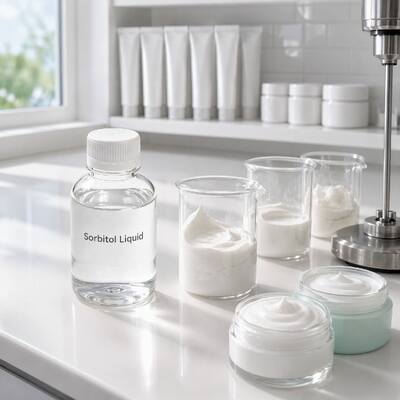
Sorbitol Solution 70% Food Grade is a clear, colorless, syrupy liquid derived from corn, conforming to food-grade specifications with CAS number 50-70-4 (D-Glucitol). It is a sugar alcohol widely used in the food and beverage industry as both a humectant and a sweetener. Its clean, transparent appearance and non-crystallizing behavior make it suitable for a broad range of formulations where clarity and consistent texture are important. Typical specification. The certificate of analysis issued for each shipment is the governing document. Colour is read against a calibrated standard on a filtered sample, and the certificate states the method so your laboratory can reproduce the figure. Clear and colorless: Suitable for products where appearance and clarity are important. Sugar-free candies, gum, and mints Still drinks, flavoured waters and syrups built on a water-clear base stay colourless, so the added colouring reads as specified rather than shifted toward amber. Transparent gels depend on a bright syrup; haze from the polyol shows up as a dull cast under shop lighting. A colourless humectant keeps a blue or green rinse on shade and avoids the sediment ring that a hazy raw material leaves in the bottle. Glazes and thin coatings applied over a coloured centre stay invisible, so the centre reads through the shell. Clear gels, serums and liquid soaps use the low colour grade where the formula must remain visually water-white.Product Overview
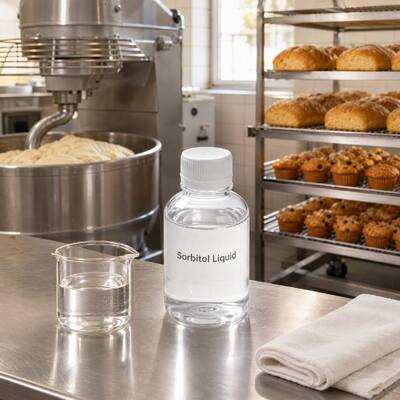
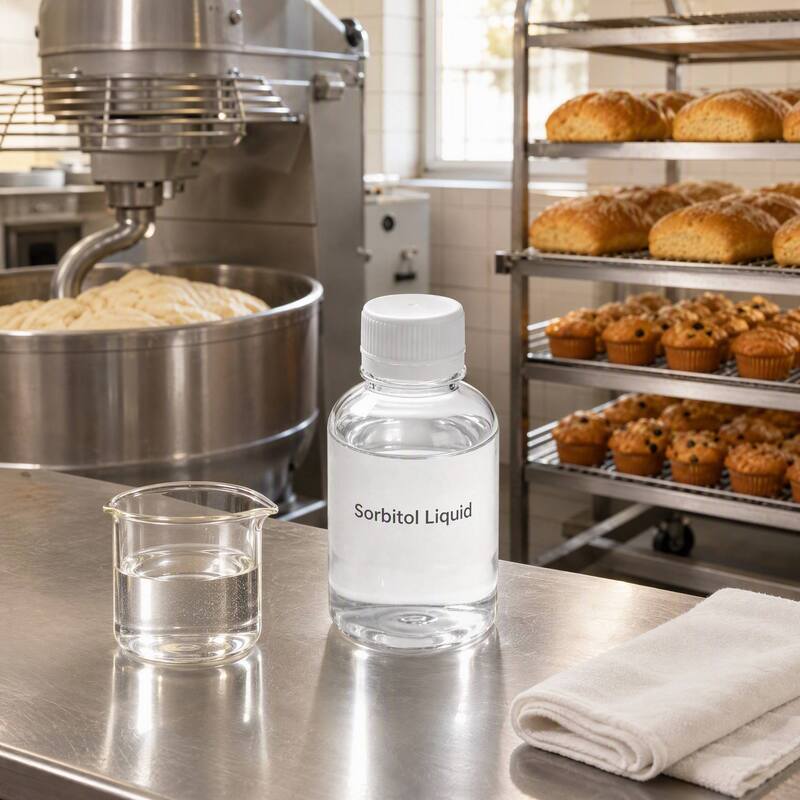
As a sweetener, sorbitol provides a mild, pleasant sweetness approximately 50–70% that of sucrose, without the calories or cariogenic properties of regular sugar. As a humectant, it binds moisture and helps prevent products from drying out, hardening, or going stale during storage. These dual functions make sorbitol a practical ingredient for sugar-free and reduced-sugar applications, including confectionery, baked goods, beverages, and frozen desserts.
Sorbitol is non-cariogenic—oral bacteria cannot ferment it into cavity-causing acids—and its metabolism does not require insulin, supporting its use in sugar-free and diabetic-friendly formulations. It is heat-stable and does not participate in Maillard browning, helping preserve the original color and flavor of thermally processed foods.
This food-grade solution is manufactured from corn and supplied in 250kg drums for manufacturers and distributors requiring reliable bulk quantities. The liquid form is easy to pump and incorporate into production, and the non-crystallizing formulation remains smooth and clear in storage.
Technical Specification
Parameter Specification Product name Sorbitol Solution 70%, clear grade Chemical name D-Glucitol CAS number 50-70-4 E number E420 Appearance Clear, colourless liquid, no visible suspended matter Colour 10 APHA max Turbidity 3 NTU max Dry substance 69.0% - 71.0% Odour and taste Neutral, free from foreign odour Packaging 250 kg net HDPE drum Typical Certificate of Analysis
Test item Typical result Method Colour 4 APHA Spectrophotometric Turbidity 0.8 NTU Nephelometric Appearance Clear, colourless Visual Dry substance 70.0% Refractometric Sorbitol content on dry basis 72.1% HPLC pH 6.2 Potentiometric Residue on ignition 0.02% Gravimetric Total heavy metals (as Pb) < 5 mg/kg Colorimetric Arsenic (as As) < 2 mg/kg AAS Total plate count < 100 cfu/g Plate count Key Benefits
Mild sweetness: Provides a clean, pleasant taste without the aftertaste of some sweeteners.
Moisture retention: Helps keep baked goods, confectionery, and fillings soft and fresh.
Tooth-friendly: Non-cariogenic; does not feed cavity-causing oral bacteria.
Gentler on blood sugar: Absorbed slowly; does not cause the rapid spike associated with sucrose.
Non-crystallizing: Remains smooth and pumpable in storage and production.
Heat-stable: Does not brown during baking or pasteurization, preserving color and flavor.Applications
Baked goods, icings, and fillings
Beverages and frozen desserts
Jams and fruit preparations
Reduced-sugar and diabetic-friendly foodsClear beverages and concentrates
Jelly and water-based desserts
Mouthwash and oral rinses
Clear confectionery coatings
Cosmetic and personal care bases
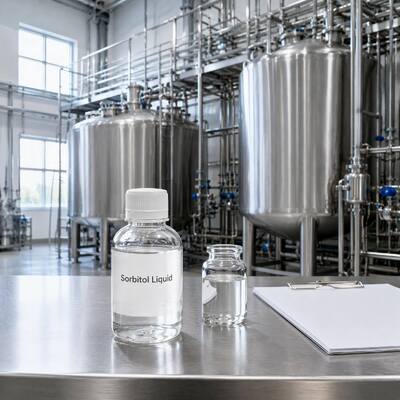
Colour and turbidity are measured on every lot before filling, and the sample is drawn from the bulk tank after filtration rather than from the drum head. Ion exchange and carbon beds are monitored on a conductivity and colour breakthrough basis, and the evaporator is run at a controlled temperature to limit thermal colour pickup.
Retained samples are stored in the dark, because a clear syrup left on a sunlit shelf will develop colour that has nothing to do with its release result. Where a buyer needs a specific colour ceiling below the standard limit, the request is confirmed in writing before production.
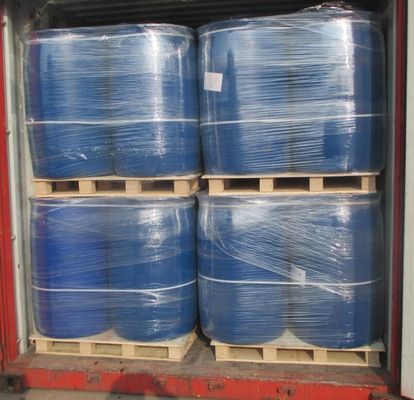
The syrup ships in 250 kg net HDPE drums, opaque by construction so the contents are not exposed to light in transit, palletised and stretch-wrapped. IBC units are available for larger draw-down rates. Each drum carries a batch reference that links to the colour and turbidity results on the certificate, and packing list, safety data sheet and booking documents are issued before dispatch.
Store indoors, between 15°C and 30°C, out of direct sunlight and away from strong odours. Light and heat both push colour upward in a stored syrup, so a drum kept by a south-facing window is not the same product at the end of the quarter. Keep bungs closed, avoid drawing samples with a dirty dipper, and use opened drums within the production cycle rather than holding them as partial stock.
Colour released against a standard. Each lot is read spectrophotometrically against a calibrated standard, with a 10 APHA ceiling written into the specification.
Turbidity measured, not inferred. Nephelometric testing on the product as supplied catches haze that a visual check in a drum would miss.
Purification built into the process. Ion exchange, carbon treatment and filtration sit between hydrogenation and evaporation, which is where colour is set.
Neutral taste and odour. The syrup is checked for foreign odour so it does not carry a note into a lightly flavoured drink.
Light-protected packing. Opaque HDPE drums and IBC options keep the contents out of daylight from filling to decanting.
Documentation aligned to your specification. If your internal limit is tighter than the standard grade, the target is agreed in writing before the lot is produced.