 |
| Place of Origin: | China |
| Brand Name: | Golden Grain |
| Certification: | ISO, HALAL, KOSHER, HACCP |
| Model Number: | GMAL-152 |
| Minimum Order Quantity: | 100kg |
|---|---|
| Price: | USD850-USD950/MT FOB QINGDAO, CHINA |
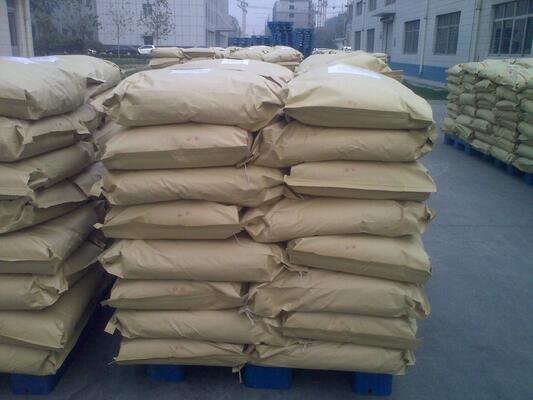
| Packaging Details: | 25kg/bag, 25kg/drum |
| Delivery Time: | 7 - 10 working days |
| Payment Terms: | L/C, T/T, D/P, D/A |
| Supply Ability: | 1200MT per month |
| Productname: | Sorbitol Powder | Type: | Pharmaceutical Grade, BP, USP, EP |
|---|---|---|---|
| Food Additive: | Sweetener, Humectant | Solubility: | Soluble In Water |
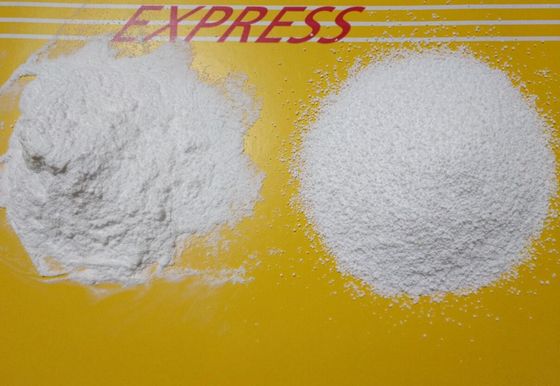
| Apperance: | White Crystailline Or Powder | Origin: | China |
| Storageconditions: | Store In A Cool, Dry Place | Taste: | Sweet, Cooling Taste |
| Purity: | ≥ 99% | Molecularweight: | 182.17 G/mol |
| Ins: | 420 | Shelflife: | 2 Years |
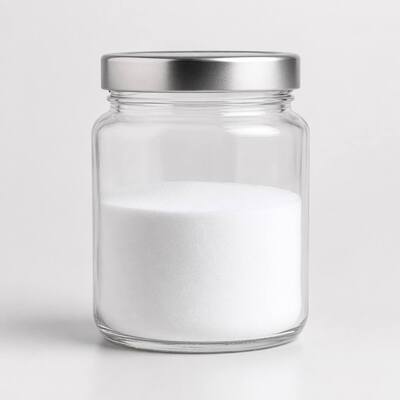
Sorbitol Powder (D-Glucitol, E420) is a six-carbon sugar alcohol (polyol) produced by the catalytic hydrogenation of glucose in the presence of a nickel catalyst. While sorbitol occurs naturally in apples, pears, cherries, and various berries, commercial material is manufactured through industrial hydrogenation to guarantee purity, consistent particle size distribution, and batch-to-batch uniformity. Our food-grade product is a white, crystalline, free-flowing powder with a faint sweet taste. Its sweetness is approximately 50–60% that of sucrose, with a 10% aqueous solution measuring about 60 on a sucrose scale of 100. It is highly soluble in water, slightly soluble in ethanol, and has a melting range of 88–102°C.
As a bulking agent, sorbitol's molecular structure and crystalline properties allow it to provide necessary volume and mouthfeel in sugar-free or reduced-sugar formulations without introducing excessive sweetness. As a humectant, it is a non-volatile polyol capable of absorbing and retaining moisture, preventing products from drying out, cracking, or losing texture during storage—a property particularly critical in baked goods, confectionery, and cosmetic creams. In addition, sorbitol inhibits sugar crystallization, preventing crystal precipitation that would otherwise cause gritty mouthfeel or appearance defects in syrups, elixirs, and candy formulations. JECFA lists its functional uses as sweetener, humectant, chelating agent, texturizer, stabilizer, and bulking agent.
This product is a 99% purity food-grade powder manufactured through a free-flowing crystallization process with tightly controlled particle size distribution, making it particularly suitable for dry blending, direct compression tableting, and applications requiring powder flowability and mixing uniformity. Compared with sorbitol solution (typically a 70% aqueous solution), the powder form offers clear advantages in dry mixing and tablet production: no moisture is introduced that could affect formulation stability, and accurate weighing is straightforward. This grade meets JECFA specifications for sorbitol (total glycitols not less than 97%, and D-sorbitol not less than 91% on an anhydrous basis), and FCC-compliant batches are available upon request. Every batch is tested before release for key parameters including moisture (≤1.0%, Karl Fischer method), reducing sugars (≤0.3%), total sugars (≤1.0%), heavy metals (lead ≤1 mg/kg), and nickel residue (≤2 mg/kg), ensuring safety and functionality in food, pharmaceutical, and personal care formulations.
At the application level, low-hygroscopicity versions of sorbitol powder (surface-treated or produced via specific crystallization processes) are especially suited to tableting and powder blending, reducing caking and flowability loss caused by moisture pickup during production. Toothpaste is the second-largest application area for sorbitol; in Western Europe alone, annual consumption for this single use reaches approximately 50,000 tonnes, where its non-volatile humectant properties prevent the paste from drying and hardening at the tube opening. In pharmaceutical, it serves as a tablet diluent and capsule plasticizer, and in chewable tablets it provides a pleasant cooling sweetness. In food, sugar-free chewing gum, candies, bakery fillings, and low-calorie beverages all rely on its dual functions of bulking and moisture retention.

| Parameter | Specification |
|---|---|
| Product name | Sorbitol Powder, food grade |
| Chemical name | D-Glucitol |
| CAS number | 50-70-4 |
| E number | E420 |
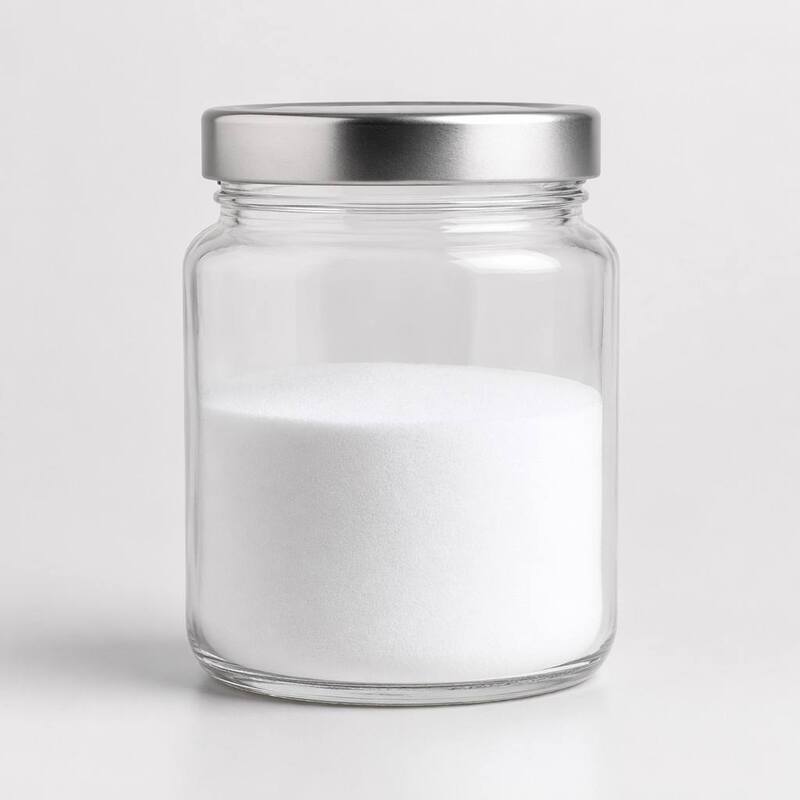
| Appearance | White crystalline powder, free flowing |
| Assay (dry basis) | 99.0% min |
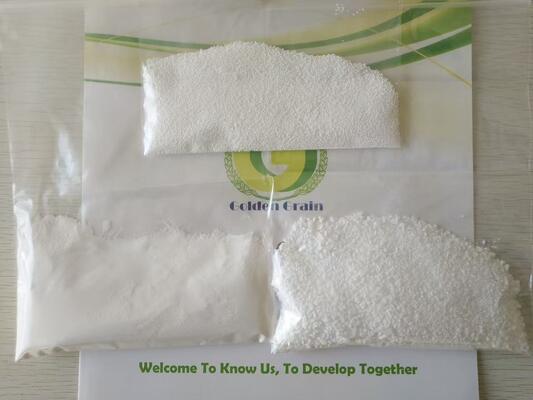
| Mesh | 80-120 |
| Moisture | 0.5% max |
| Loose bulk density | 0.60-0.70 g/mL |
| Energy | 2.4 kcal/g |
Typical specification. The certificate of analysis issued for each shipment is the governing document.
| Test item | Typical result | Method |
|---|---|---|
| Assay (D-Glucitol) | 99.2% | HPLC |
| Appearance | White crystalline powder | Visual |
| Mesh distribution (80-120) | 96% pass | Sieve analysis |
| Moisture | 0.16% | Karl Fischer |
| Loose bulk density | 0.65 g/mL | Graduated cylinder |
| Tapped bulk density | 0.78 g/mL | Tapping volumeter |
| Reducing sugars | 0.05% | Titrimetric |
| Residue on ignition | 0.02% | Gravimetric |
| Total heavy metals (as Pb) | < 5 mg/kg | Colorimetric |
| Arsenic (as As) | < 2 mg/kg | AAS |
| Total plate count | < 1000 cfu/g | Plate count |
A certificate of analysis is issued for every batch, and a safety data sheet is available on request.
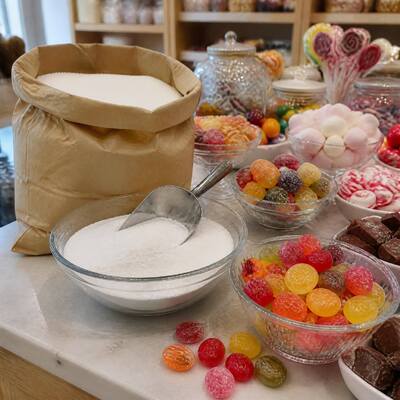
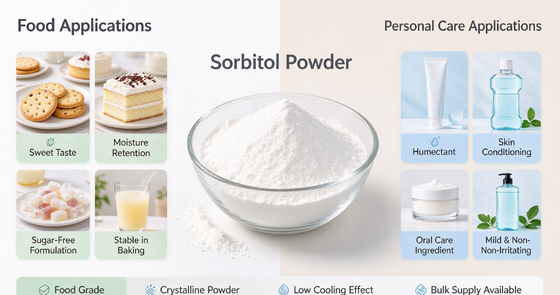
Food & Beverage: Sugar-free confectionery, chewing gum, baked goods, dairy, beverages, and low-calorie products
Pharmaceutical: Excipient, tablet filler, syrup base, and oral care products
Personal Care: Toothpaste, mouthwash, and cosmetic formulations
Industrial: Humectant and bulking agent in various formulations
Chewing gum and compressed gum cores. Sorbitol carries the bulk of a sugar-free gum core, gives the piece its bite and its piece weight, and binds under compression without an added binder. The powder's plastic deformation at the press is what holds the core together at high speed.
Chewy candy and nougat. Here the bulking role is a texture role. Sorbitol replaces part of the sugar solids and raises firmness, so the gelatin or the glucose syrup level has to be adjusted with it. Above roughly 15% of the sugar solids, the chew turns noticeably shorter unless the plasticiser is increased.
Baked goods with reduced sugar solids. A partial replacement at 20-30% of the sugar keeps volume and crumb tender while lowering the calorie contribution. Beyond that share, creaming aeration falls away and the cake needs a different whipping route.
Compressed and chewable pieces. Dietary supplement and confectionery tablets use sorbitol for compressibility and for the smooth mouthfeel of a chewable piece, with hardness controlled through compression force rather than through binder addition.
Dry mixes and instant powders. Sorbitol supplies the volume that makes a sachet or a scoop measure correctly and keeps the blend free flowing at the same time, replacing part of the sugar or maltodextrin solids in the formula.
Bulk density is measured on every batch, both loose and tapped, because it is the property that decides whether a volumetric filler delivers the intended dose. Sieve analysis confirms the 80-120 cut, moisture is checked by Karl Fischer, and assay by HPLC. A compression trial is run on the retained sample at a fixed force to confirm that the hardness response has not shifted, which is the practical check on a bulking agent used in a pressed piece.
Where a buyer's process is sensitive to particle size distribution, the full sieve curve is available on request alongside the certificate, so the buyer's own filler calibration can be checked against the actual batch rather than against a nominal mesh figure.
The powder is supplied in 25kg PP woven bags with an inner PE liner, heat-sealed, with palletised and stretch-wrapped loading available on request. Because bulk density affects payload, the bag count per container is confirmed per order against the actual batch figures. Neutral or buyer-labelled packing is available for bulk orders, and full container, LCL and mixed shipments are all handled, with booking documents and the certificate of analysis issued before dispatch.
Store in a dry, ventilated warehouse below 35°C and below 65% relative humidity, on pallets and away from strong odours. Bag stacks should be kept to a height the seam can bear, since compression consolidates the powder and changes its bulk density at the bottom of the pallet. Reseal opened bags and keep the liner closed. Unopened bags retain flow for 24 months when the stack height and humidity are respected.
We are a trusted bulk supplier with stable stock for FCL shipments. Normal lead time is 7–10 days after deposit confirmation. We accept T/T and sight L/C payment terms. Small lab samples are available for formulation trials; buyers only need to cover sample freight. Our export team has rich experience exporting food additives and preparing export documents. We provide full import support. Food processors and global distributors are welcome to send inquiries for quotation and technical consultation.
A measured crystallisation effect. The seeded hold test with microscopy gives a crystal count and size figure per batch, so the claim is backed by data the buyer can compare.
Moisture held tightly. Water shifts the saturation point of the customer's syrup, so the 0.5% limit is treated as a release parameter rather than a formality.
Low reducing sugar content. A cleaner impurity profile keeps the growth behaviour predictable when the powder is dosed into a sucrose system.
Dosing guidance included. The 5-15% range on syrup solids is stated with the conditions under which it holds, so a formula can be set with a known margin.
Liner sealed against plant air. The PE liner is heat-sealed at the throat, which keeps the headspace dry through ocean transit.
Documents before dispatch. Certificate of analysis and packing list are issued ahead of the vessel, and a safety data sheet is available on request.