Product Overview
Maltitol Powder is a crystalline sugar alcohol (polyol) made by hydrogenating high-maltose glucose syrup. It delivers roughly 90% of sucrose sweetness with a clean taste and no bitter aftertaste, while providing the bulk and mouthfeel that high-intensity sweeteners cannot. This food-grade material is supplied at 99% purity, meets the EU E965(i) specification requiring not less than 98.0% D-maltitol on a dry basis , and is the standard bulk sweetener for sugar-free confectionery, chocolate, bakery, and pharmaceutical formulations where a near one-to-one sucrose replacement is needed.
Maltitol Powder at 99% purity is D-Maltitol, CAS 585-88-6, E965, released against a minimum assay of 99.0% on the dry basis with the balance accounted for by a controlled impurity profile rather than left open. The assay is established by high performance liquid chromatography, which separates maltitol from the related polyols and residual sugars that share its solubility and would not be detected by a simple titration.
The number on the certificate tells you how much of the powder is the molecule you are paying for; the impurity profile tells you what the rest is. In a maltitol crystal the usual companions are sorbitol, maltotriitol and traces of maltose or glucose left from an incomplete hydrogenation. Each one behaves differently in a process: sorbitol is more hygroscopic and lowers the melting range, maltotriitol is less soluble and can seed haze, and residual maltose is a reducing sugar that browns under heat. A 99% floor with tight individual limits keeps those effects small and predictable.
Where the difference shows is in the appearance of the finished product. A hard candy deposited from a high-assay maltitol stays water clear, because there are few less-soluble fractions to come out of solution as the syrup cools. A chocolate conched on the same material holds a cleaner flavour, since reducing sugar carry-over is not available to react during refining and tempering. Purity at this level is not a marketing line; it is the parameter that keeps a clear product clear.

Technical Specification
| Parameter |
Specification |
| Product name |
Maltitol Powder |
| Chemical name |
D-Maltitol |
| CAS number |
585-88-6 |
| E number |
E965 |
| Molecular formula / weight |
C12H24O11 / 344.31 |
| Appearance |
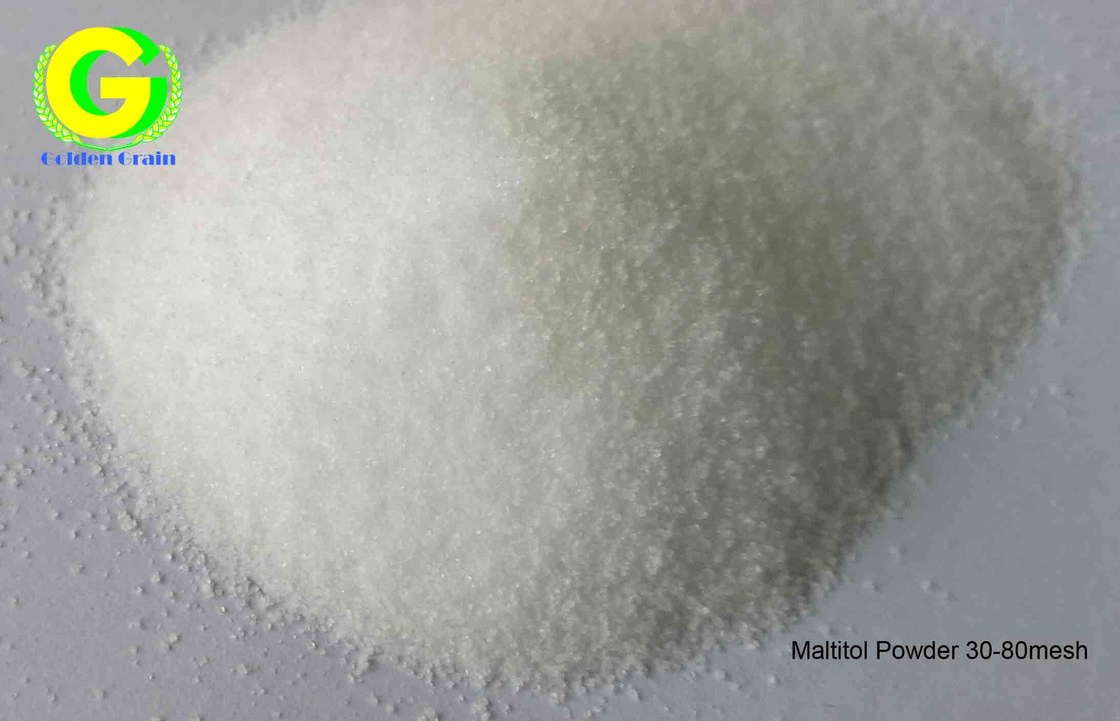
White crystalline powder, free flowing |
| Assay (dry basis, HPLC) |
99.0% min |
| Sorbitol / maltotriitol |
0.5% max / 0.5% max |
| Reducing sugars |
0.2% max |
| Mesh / Moisture |
30-80 / 0.5% max |
| Grade / Packaging |
Food Grade / 25kg PP woven bag with PE inner liner |
The certificate of analysis issued for each shipment is the governing document.
Typical Certificate of Analysis
| Test item |
Typical result |
Method |
| Assay (D-Maltitol, dry basis) |
99.4% |
HPLC |
| Sorbitol |
0.2% |
HPLC |
| Maltotriitol |
0.2% |
HPLC |
| Glucose and maltose |
0.1% |
HPLC |
| Moisture |
0.15% |
Karl Fischer |
| Residue on ignition |
0.02% |
Gravimetric |
| Colour of 50% solution |
Clear, colourless |
Visual |
| Total heavy metals (as Pb) |
< 5 mg/kg |
Colorimetric |
| Total plate count |
< 500 cfu/g |
Plate count |
| Yeast and mould |
< 50 cfu/g |
Plate count |
Applications
Deposited hard candy
A clear drop is unforgiving about purity. Less-soluble fractions come out of a cooling syrup as a faint cloud, and a reducing sugar fraction yellows in the cook. A 99% base with individual limits on sorbitol and maltotriitol keeps the glass clear and the colour true.
Chocolate and compound coating
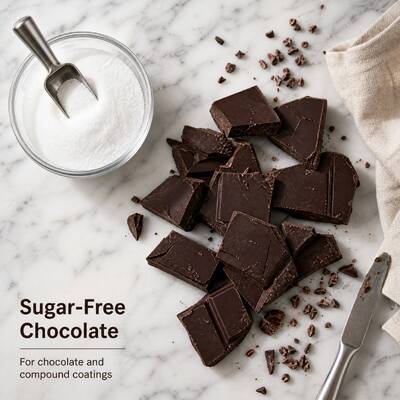
Refining and conching hold the mass warm for hours. With low reducing sugar carry-over there is little to react with the milk protein, so the flavour stays on the cocoa and the dairy rather than picking up a cooked note.
Chewing gum coating
Panning syrup is recirculated many times, and each pass concentrates whatever impurities are present. A high-assay powder gives a coating that builds evenly, dries to a hard shell and stays glossy rather than turning dull or tacky.
Clear syrup and beverage base
At 70% solids, a solution is close to saturation and any less-soluble fraction is the first thing to show. Using a high-assay material reduces the risk of haze forming in a tank over a holding period.
Tablet and lozenge
For a white, smooth-faced tablet, a high-assay crystal with low colour gives a compact that reads clean, and the narrow impurity range keeps hardness consistent from lot to lot.
Quality Control
Every batch is tested before shipment against the JECFA and EU E965(i) monographs, covering purity (D-maltitol 98.0%–100.5%), appearance, moisture, reducing sugars, heavy metals (Pb, Ni), and microbiological safety. A Certificate of Analysis reporting actual results for your specific lot ships with every order. Batch codes on each 25 kg bag link to retained samples kept for the full shelf life, so any question about a delivery can be traced back from raw material to shipment quickly.
Packaging & Shipping
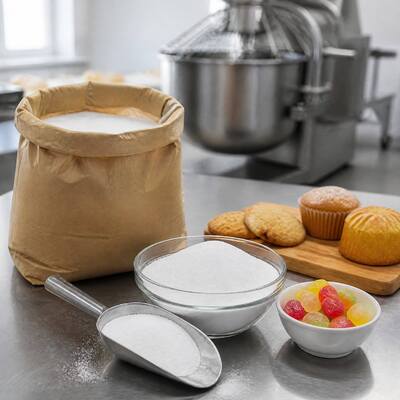
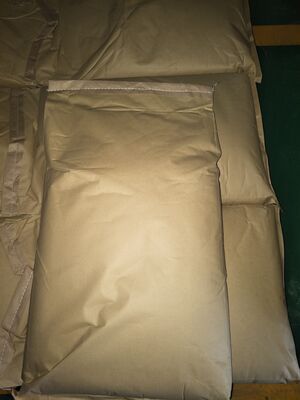
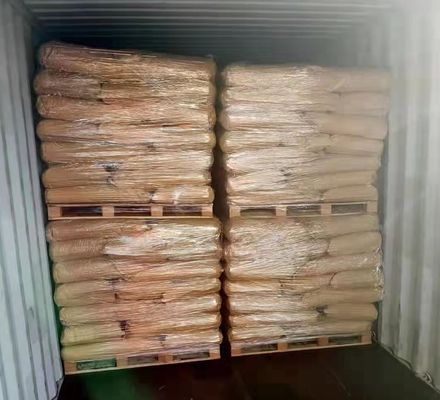
The powder is packed in 25kg PP woven bags with a food-grade PE inner liner, heat-sealed to protect a product whose main selling point is a clean analytical profile. Bags carry the product name, net weight, lot code and storage line, and are palletised 40 to a tonne or loaded loose. For buyers who need a smaller unit without opening a 25kg sack on the line, the same grade can be supplied in sealed 5kg liners inside a carton. Certificates are issued per lot and travel with the shipping documents.
Storage & Handling
Store in a dry, ventilated warehouse below 40 degrees C, out of sunlight and away from strongly scented goods. Keep the bag closed between withdrawals and off a floor that draws damp, since surface moisture affects flow and can dull the appearance of a solution even when the assay is unchanged. Do not store bags under heavy loads for long periods, as the crystal compacts. In unopened original packaging, the grade holds its assay and its colour for 24 months.
Why Choose Us
Individual impurities, individually limited. Sorbitol, maltotriitol and residual sugars each carry their own ceiling, so the 99% assay cannot be met by averaging a high impurity in one fraction against a low one elsewhere.
Assay by a fixed HPLC method. Certified reference calibration and duplicate injections per lot, with a repeat run required for any result near the floor before release.
Colour checked in solution. A 50% solution is inspected against a reference under standard light, which is how a faint tint shows up before it appears in a clear candy.
Lots that fail are re-processed. Material outside the profile is not blended down to pass, which is what keeps the delivered range narrow rather than merely compliant.
Small units from the same lot. Sealed 5kg liners can be supplied from the same production lot as the 25kg bags, so a pilot line and a full run work from identical material.
Documentation for a technical review. Certificate of analysis, impurity profile and safety data sheet are available, with retained samples held for re-test.
Consistent supply from one plant. Crystallisation, purification and packing run on one site, so the profile approved in a sample is the profile in the next delivery.