Product Overview
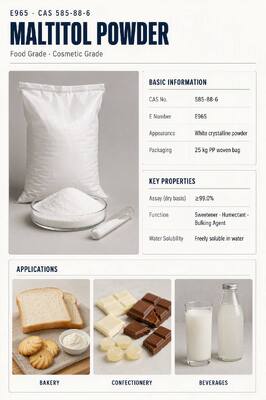
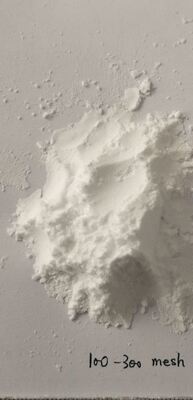
Maltitol Powder is a crystalline sugar alcohol (polyol) produced by the catalytic hydrogenation of high-maltose glucose syrup derived from starch. In this process, maltose is converted to maltitol through the addition of hydrogen under pressure in the presence of a catalyst, followed by purification and crystallization to yield a white, crystalline powder with a purity of 98.0%–100.5% on a dry basis . Chemically, it is classified as alpha-D-glucopyranosyl-1,4-D-glucitol, with the molecular formula C₁₂H₂₄O₁₁ and a molecular weight of 344.31 g/mol . It is also known as D-Maltitol and carries the food additive designation E965 (INS 965(i)) in the EU and JECFA systems .
As a bulk sweetener, maltitol delivers approximately 90% of the sweetness of sucrose with a clean taste profile and no bitter aftertaste . Its crystalline structure and molecular weight closely resemble those of sucrose, which allows formulators to achieve a near one-to-one replacement in many recipes without significant process adjustments. JECFA has established an Acceptable Daily Intake (ADI) of “not specified” for maltitol, the safest categorization, indicating no limit on its use based on available safety data . In the United States, maltitol is marketed under industry self-affirmed GRAS status, and in the EU it is authorized as a food additive under Regulation (EC) No 1333/2008 .
Unlike high-intensity sweeteners, maltitol provides the mass, bulk, and mouthfeel that formulators need when reducing or eliminating sugar. It is non-cariogenic, produces a lower postprandial glycemic response compared to sucrose, and does not participate in Maillard browning, making it suitable for sugar-free confectionery, chocolate, bakery, and pharmaceutical applications where taste, texture, and visual appearance must be maintained .

Technical Specification
| Parameter |
Specification |
| Product name |
Maltitol Powder |
| Chemical name |
D-Maltitol |
| CAS number |
585-88-6 |
| E number |
E965 |
| Appearance |
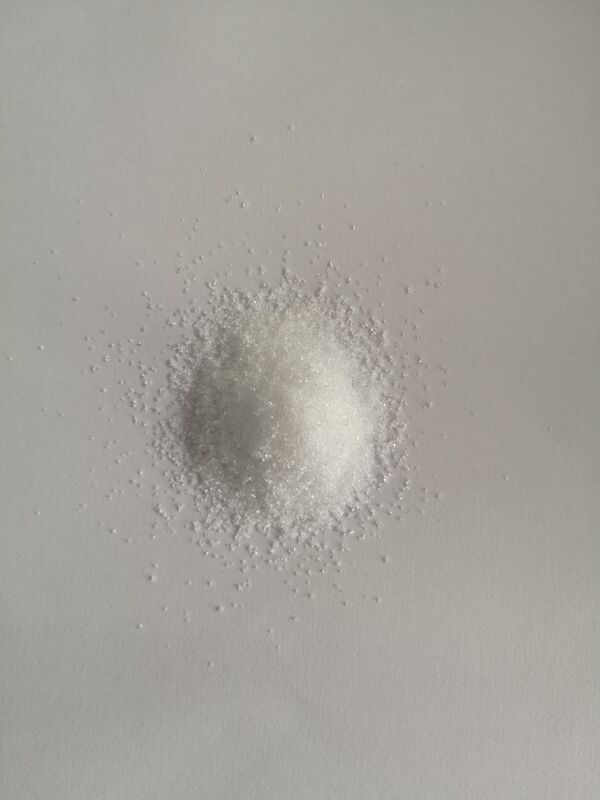
White crystalline powder, free flowing |
| Assay (dry basis) |
99.0% min |
| Mesh / Moisture |
30-80 / 0.5% max |
| Net weight per bag |
25kg |
| Bag construction |
PP woven outer, food-grade PE inner liner, heat-sealed mouth |
| Grade / Pallet load |
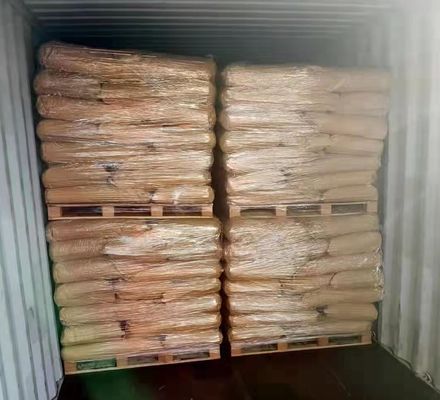
Food Grade / 40 bags per pallet, 1000kg net |
The certificate of analysis issued for each shipment is the governing document.
Typical Certificate of Analysis
| Test item |
Typical result |
Method |
| Assay (D-Maltitol) |
99.3% |
HPLC |
| Appearance |
White powder, free flowing |
Visual |
| Mesh distribution (30-80) |
96% pass |
Sieve analysis |
| Moisture |
0.17% |
Karl Fischer |
| Bulk density |
0.70 g/cm3 |
Scott volumeter |
| Net weight check |
25.02kg |
Check weigher |
| Residue on ignition |
0.02% |
Gravimetric |
| Total heavy metals (as Pb) |
< 5 mg/kg |
Colorimetric |
| Total plate count |
< 500 cfu/g |
Plate count |
| Yeast and mould |
< 50 cfu/g |
Plate count |
Key Benefits
Sugar-Free & Reduced Calorie
Maltitol provides 2.4 kcal/g (EU labeling) versus 4 kcal/g for sucrose, enabling meaningful calorie reduction in confectionery, bakery, and chocolate products . Its crystalline structure closely resembles sucrose, making reformulation straightforward.
Non-Cariogenic — Tooth-Friendly
Maltitol is not fermented by oral bacteria that produce caries-causing acids. It is a standard ingredient in sugar-free chewing gum, mints, and dental health products.
Low Glycemic Response
Crystalline maltitol has a glycemic index (GI) of approximately 36, significantly lower than sucrose, supporting diabetic-friendly and low-GI product development .
Excellent Processing Functionality
• 1:1 sucrose replacement: Behaves like sugar in dissolution speed, viscosity, and melting during baking.
• Humectancy: Retains moisture and extends shelf life in soft confections and baked goods.
• Crystallization control: Improves coating stability and prevents sugar bloom in chocolate.
• Low hygroscopicity: Crystalline powder absorbs minimal moisture under normal storage, supporting flowability and stability .
• No Maillard browning: Preserves intended color in baked goods during processing.
Applications
Maltitol Powder is a versatile bulk sweetener used across food and pharmaceutical categories. In confectionery, it is the workhorse of sugar-free hard candy, chewing gum, mints, soft candy, and marshmallow, delivering the bulk, texture, and clean sweetness that high-intensity sweeteners alone cannot provide. Its solubility and rapid dissolution make it particularly suitable for chewing gum coatings and fillings.
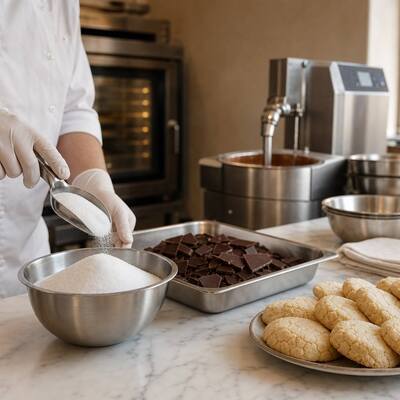
In chocolate and coatings, maltitol serves as a one-to-one bulk replacement for sucrose in sugar-free milk and dark chocolate, compound coatings, icings, and glazes. Its crystallization-control properties help maintain smooth texture and stable gloss during storage.
In bakery applications, maltitol functions as a humectant and bulking agent in reduced-sugar cookies, biscuits, sponge cakes, and cereal bars. Because it behaves like sugar during baking—dissolving, viscosifying, and melting similarly—reformulation requires minimal process adjustment.
In the pharmaceutical and nutraceutical sector, maltitol is used as an excipient and sweetener in chewable tablets, lozenges, syrups, sachets, and stick packs. Its compressibility, sweetness, and non-cariogenic profile are valued in oral dosage forms.
In beverages and dairy, maltitol contributes sweetness and texture in sugar-free flavored drinks, ice cream, and frozen desserts, where it also helps inhibit the growth of large ice crystals for a smoother mouthfeel.
Line-side dosing on confectionery plant
A 25kg sack matches a shift-level charge for most candy and gum lines, so the operator empties a whole bag into the mixer and the batch record closes cleanly. No half bag is left open, and the lot code on the bag goes straight onto the batch sheet.
Bakery and biscuit premix rooms
Where ingredients are weighed into a premix rather than charged by silo, the bag is the unit of handling. Forty bags on a pallet give a tonne of buffer stock that fits a standard racking bay without a bulk silo installation.
Repacking and distribution
Distributors and repackers buy in pallet quantities and break the bags down into smaller units under their own label. A sealed liner supports that model, because the powder is still protected until the moment the bag is opened for repacking.
Pilot plant and trial batches
For a new formula at trial scale, a single 25kg bag is enough material for several runs without committing to a pallet, which keeps a development budget free of dead stock.
Export shipments and mixed containers
Standard bag dimensions and a consistent 40-bag pallet make container planning predictable, and a mixed load with other food ingredients can be built without special packing arrangements.
Quality Control
Every batch of Maltitol Powder is tested before it leaves our facility, so you receive a product that meets the agreed specification every time — not just on the first order, but on every reorder.
Each lot is checked for purity (D-maltitol content 98.0%–100.5%), appearance, moisture, and reducing sugars, along with heavy metals such as lead and nickel, and microbiological safety including total plate count, yeast and molds, coliforms, and Salmonella. All results are measured against the JECFA and EU E965(i) standards, the same references your own customers and auditors will expect to see.
A Certificate of Analysis reporting the actual results for your specific lot ships with every order, so your quality team has the documentation on hand without chasing us for it. MSDS and technical data sheets are available on request, and Halal, Kosher, and Non-GMO declarations can be arranged for qualified orders depending on the supply chain you select at the time of order confirmation.
Batch codes are printed on every 25 kg PP bag and linked to retained samples kept for the full shelf life of the product. That means if a question ever comes up about a delivery, we can trace it back from raw material to shipment and give you a straight answer quickly — which matters when your own customers or inspectors ask for documentation.
Packaging & Shipping
Each bag carries 25kg net in a PP woven outer with a food-grade PE inner liner, heat-sealed at the mouth. Pallets are built 40 bags to a tonne, stretch-wrapped, corner-boarded and strapped for container loading; loose loading is available for destinations where labour is cheaper than pallet space. Bags can be printed with your artwork, left neutral, or marked with a multilingual storage line. A packing list records the number of bags, the pallet count and the lot codes, and the certificate of analysis is issued against those same lots before dispatch.
Storage & Handling
Stack pallets no more than five bags high in a dry, ventilated warehouse, off the floor and clear of condensing walls. A 25kg bag is heavy enough that the bottom layer compacts under a tall stack, and a compacted bag breaks into hard lumps that feed poorly. Move bags with a drum lifter or two-person lift rather than dragging them across a pallet, since a dragged bag abrades the woven outer and can score the liner. Open bags should be resealed and used within a short window. Sealed bags on a dry pallet hold the specification for 24 months.
Why Choose Us
Batch consistency: Every lot is tested for assay, moisture, reducing sugars, heavy metals (Pb, Ni), and microbiological safety. CoA accompanies every shipment.
Export-ready packaging: 25 kg PP bags are designed for sea freight stability, with moisture barrier and palletization options for long-haul shipments.
Flexible volumes: From trial orders (1–5 MT) to full container loads, with competitive bulk pricing tiers.
Technical support: Formulation guidance available for sugar-free candy, chocolate, bakery, and pharmaceutical applications, including 1:1 sucrose replacement assistance.
Multi-certification capability: Halal, Kosher, and Non-GMO supply chains can be arranged based on your market requirements.