Product Overview
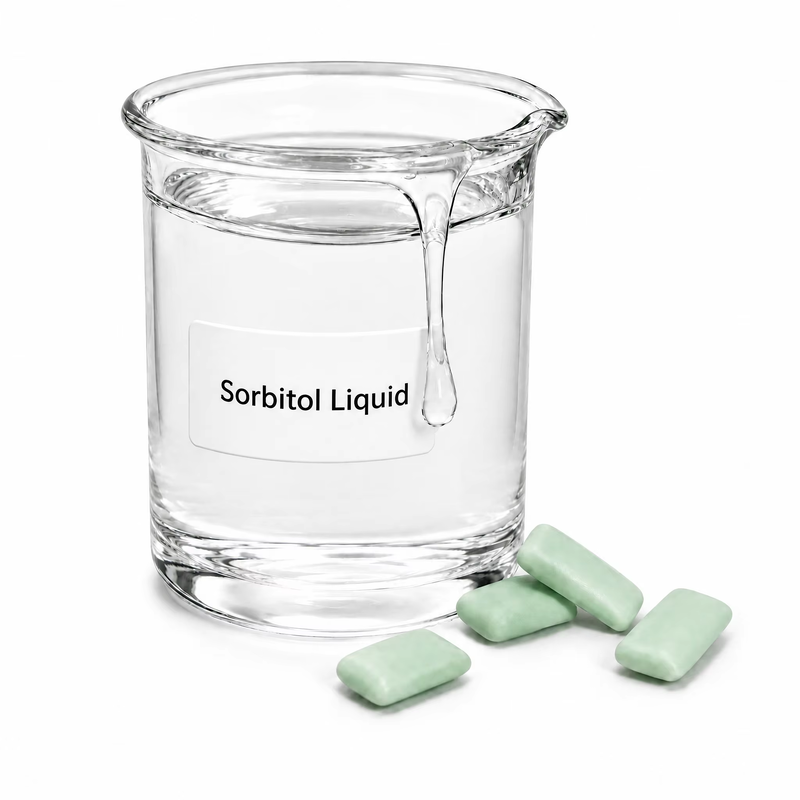
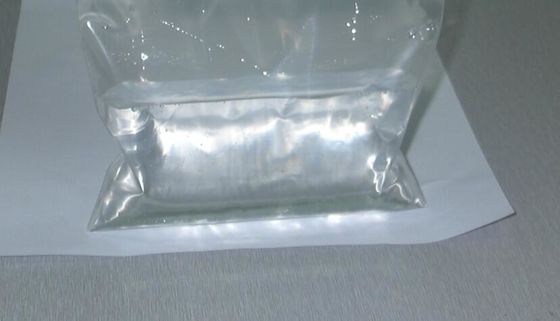
Our Sorbitol Solution 70% is a clear, colorless, odorless syrupy liquid manufactured to food-grade standards, specifically suited for chewing gum production. Chemically identified as D-Glucitol (E420, INS 420(ii), CAS 50-70-4), it is a plant-derived sugar alcohol that functions as a humectant, sweetener, and softener in gum formulations.
The technical difficulty in gum is that the base is hydrophobic and the syrup is aqueous. A gum mass is a dispersion of base, polyol and flavour in which a small water phase sits trapped in the matrix; if that water leaves, the bolus turns stiff and crumbly and the piece loses its snap back. Sorbitol binds water tightly enough to hold it in the gum mass during sheeting, conditioning and wrapping, and it does so without the stickiness that a glycerin-heavy humectant system leaves on a conditioned pellet. Water activity matters as much as water content: sorbitol depresses aw, which limits the moisture migration from a soft centre into a coated shell and reduces the softening of the coat during shelf life.
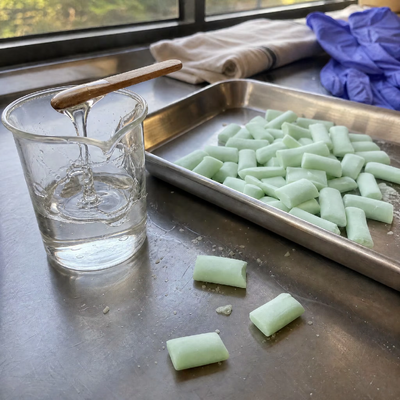
A 70% solution also handles better than a crystalline grade in a gum plant. It is metered directly into the mixer, disperses into the mass without the dusting and lumping that a dry grade causes at the mixer door, and dissolves any dry blend residue that would otherwise show as hard specks in the finished pellet. The syrup is non-crystallizing, so a drum left in a cool store does not throw crystals that would leave a gritty note in the chew.

Technical Specification
| Parameter | Specification |
|---|
| Product name | Sorbitol Solution 70% |
| Chemical name / CAS number | D-Glucitol / 50-70-4 |
| E number | E420 |
| Appearance | Clear, colourless, odourless viscous liquid |
| Assay (D-Glucitol, dry basis) | 70.0% min |
| Dry substance / water | 69.5-71.0% / 29.0-30.5% |
| pH (25 °C) | 5.5-7.5 |
| Density (20 °C) | 1.285-1.315 g/cm³ |
| Crystallisation resistance | Clear at 18 °C for 48 h |
| Grade | Food Grade |
Typical specification. The certificate of analysis issued for each shipment is the governing document.
Typical Certificate of Analysis
| Test item | Typical result | Method |
|---|
| Assay (D-Glucitol) | 70.4% | HPLC |
| Appearance | Clear, colourless | Visual |
| Colour (ICUMSA) | < 15 IU | Spectrophotometric |
| Dry substance | 70.1% | Refractometric |
| Water content | 29.9% | Karl Fischer |
| pH (25 °C) | 6.6 | pH meter |
| Reducing sugars | 0.03% | Titrimetric |
| Total heavy metals (as Pb) | < 5 mg/kg | Colorimetric |
| Arsenic (as As) | < 2 mg/kg | AAS |
| Total plate count | < 100 cfu/g | Plate count |
| Yeast and mould | < 10 cfu/g | Plate count |
Each lot is released on its own certificate of analysis, and the document is issued against the drum number printed on the label.
Quality Control
Quality is built into every stage of production, from raw material intake to finished drum release.
Raw Material Control
• Non-GMO corn starch sourced from approved suppliers with vendor qualification records.
• Incoming lots tested for identity, moisture, and microbiological safety before release to production.
• Supplier certificates of analysis retained and cross-referenced with internal batch records.
In-Process Control
• Hydrogenation: Temperature, pressure, and reaction time controlled within validated ranges to ensure complete conversion and minimize residual reducing sugars.
• Catalyst removal: Nickel catalyst removed through filtration and ion exchange. Residual nickel monitored as a critical safety parameter.
• Purification & concentration: Ion exchange and evaporation controlled to achieve target dry substance content and clarity.
Acceptance testing on this grade starts with clarity and colour, because a gum is a visual product and a hazy syrup shows through a translucent stick. Colour is read on the ICUMSA scale against a freshly prepared reference, turbidity is checked visually against a standard, and the crystallisation resistance test at 18 °C for 48 hours confirms that transport through a cold corridor has not seeded the lot.
Assay and moisture are run by HPLC and Karl Fischer so the dry substance used in the batch sheet matches what the mixer actually receives, and reducing sugars are held low to avoid Maillard browning in a flavoured mass held warm at the mixer. Microbiological counts and heavy metals are released against the specification before the drum is labelled, and the release record is filed under the drum number for traceability.
Packaging & Shipping
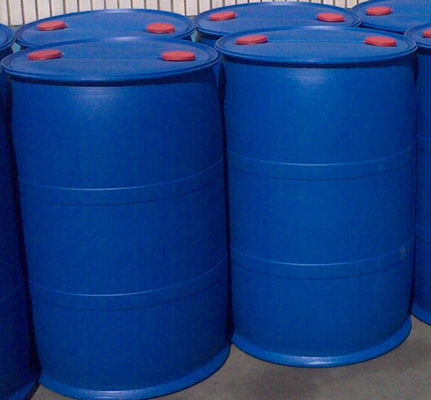
Drums are 250 kg blue tight-head units with food-grade internals, sealed bungs and tamper-evident caps, labelled with product name, grade, net weight and lot number. Four drums make a pallet, and a 20 ft container carries 80 drums as a full load. For plants that consume more than a drum a day, 1000 kg food-grade IBC tanks with a bottom discharge valve can be supplied instead, and buyer-specific labelling is applied before the container is sealed.
Storage & Handling
Hold drums between 15 °C and 30 °C in a closed store, upright and off the floor. Cold thickens the syrup and can start crystallisation at the drum wall, so a drum that has been through a winter transit should be moved to a warm room and left for a day before use. Keep bungs closed between draws, since the syrup is hygroscopic and will pick up atmospheric moisture in a humid gum plant, and keep drums away from menthol, essential oils and other strong aromatics that would carry into the chew.
Why Choose Us
Clarity checked as a release test. Colour and turbidity are read on every lot, so a translucent stick does not arrive with a visible haze or a yellow cast.
Water activity support. If a coated pellet is softening in the pack, our technical team can work through the humectant balance and the aw target with your development group.
Non-crystallizing through the cold chain. The 18 °C, 48 hour resistance test is run before release, which matters for drums that travel through unheated warehouses.
Drum and IBC supply. 250 kg blue drums as standard, 1000 kg food-grade IBC tanks for high-consumption lines, both sealed and labelled to your specification.
Consistent dry substance. Refractometer and Karl Fischer results are reported on the certificate, so the batch sheet and the delivered syrup stay in step.
Export paperwork in order. Certificate of analysis, safety data sheet and packing list are issued before dispatch, and container loading is confirmed against the destination port